Our Approach
Move Up Global · Why the Knot
Schools bring children together.
We connect the support they need.
children enrolled in primary and secondaryschools across sub-Saharan Africa.
The learning gap
Being in school should mean learning.
reach minimum proficiency in mathematicsat the end of primary education.
reach minimum proficiency in readingat the end of primary education.
Sub-Saharan Africa · UNESCO / UNICEF / African Union, 2025 report
Regional estimates available through 2019.
The school health environment
school-age children lacked basic drinkingwater services at their schools.
Sub-Saharan Africa · 2025 estimates
of schools lacked handwashingfacilities with soap and water.
of schools lacked basic sanitationservices.
WHO/UNICEF JMP, 2026 report · 2025 estimates
Connecting the response
Schools are more than places for learning.
Children gather each day, parents seek support, and communities come together.
Yet the challenges children face do not fit neatly into either education or health. A child who is sick, malnourished, or struggling at home may have difficulty attending school, concentrating in class, or keeping up with their peers. At the same time, schools are often not connected closely enough to the health services families need.
Move Up Global’s Ipfundo (“Knot”) Framework was created to tie these pieces together.
The Knot · Ipfundo
Connected around the child.
Named after the Kinyarwanda word for “knot,” Ipfundo connects schools, families, community health workers, and local health facilities so that children receive support earlier and more consistently. It recognizes that health and education are closely linked, and that improving one often requires addressing the other.
Schools
Supported teachers · Health education
Primary healthcare
Assessment · Treatment · Feedback
Families & communities
Community health workers · Home follow-up
Nutrition · Water and hygiene
Recognize
Identify needs and barriers to learning.
Connect
Link teachers, families, CHWs, and health facilities.
Follow through
Support referrals and follow up on care.
Strengthen
Improve nutrition, hygiene, and support for learning.
Five shifts.
One connected approach.
How the Knot Model changes delivery
Health & nutrition
From
Periodic health campaigns and food or supplement distribution
To
Ongoing health promotion, local gardens and food support, practical nutrition learning, and follow-up through schools and community health workers.
Priorities
From
Strategies designed mainly by professionals
To
Communities identify needs and help shape practical responses.
Learning
From
Health topics taught mainly in the classroom
To
Children and families learn through clubs, gardens, and community activities.
Education
From
Traditional didactic content delivery
To
Competency-based, child-centered learning that builds understanding, practical skills, and active participation.
Partnership
From
One-way giving, with supporters distant from the work
To
Partners stay close to the work, share expertise, and participate alongside communities.
The connections in practice
From the classroom to the home and into care.

Teachers help recognize a concern.
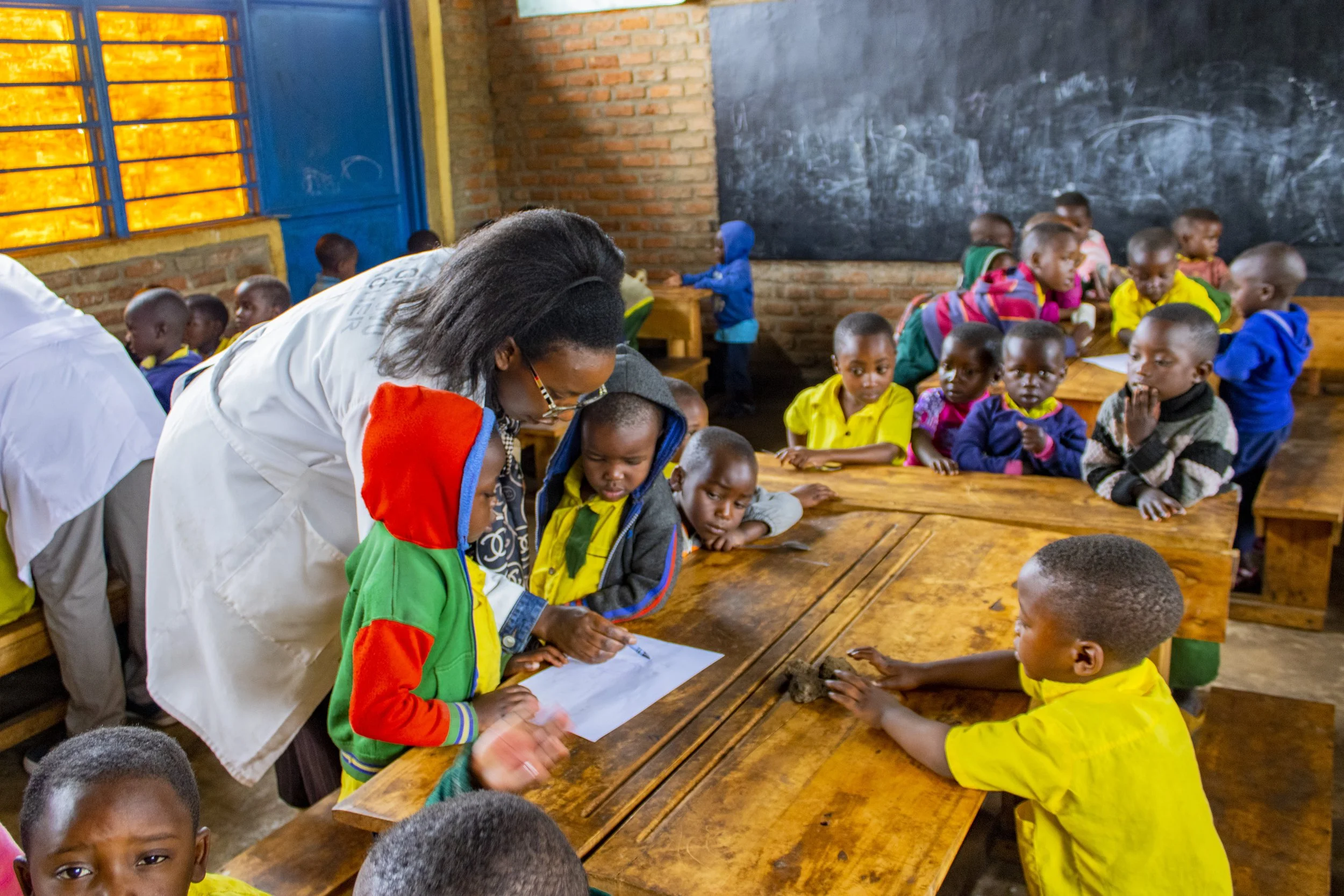
In the Rwandan schools where we work, teachers are often the first to notice when something is wrong. Where a school has no nurse or health worker on site, connecting teachers with community health workers helps bring health support closer to children.

Community health workers connect the next steps.
Through Ipfundo, community health workers partner with schools to conduct health screenings, provide health education, follow up with families, and connect children to care when needed. Local health facilities provide clinical assessment and treatment, while teachers, caregivers, and community health workers support referrals and follow-up.
Support beyond healthcare
Better conditions for children to learn and thrive.
The framework also extends beyond healthcare. Through programs in nutrition, water and sanitation, education, and sexual and reproductive health, schools become a starting point for improving the well-being of children and their families.
Nutrition
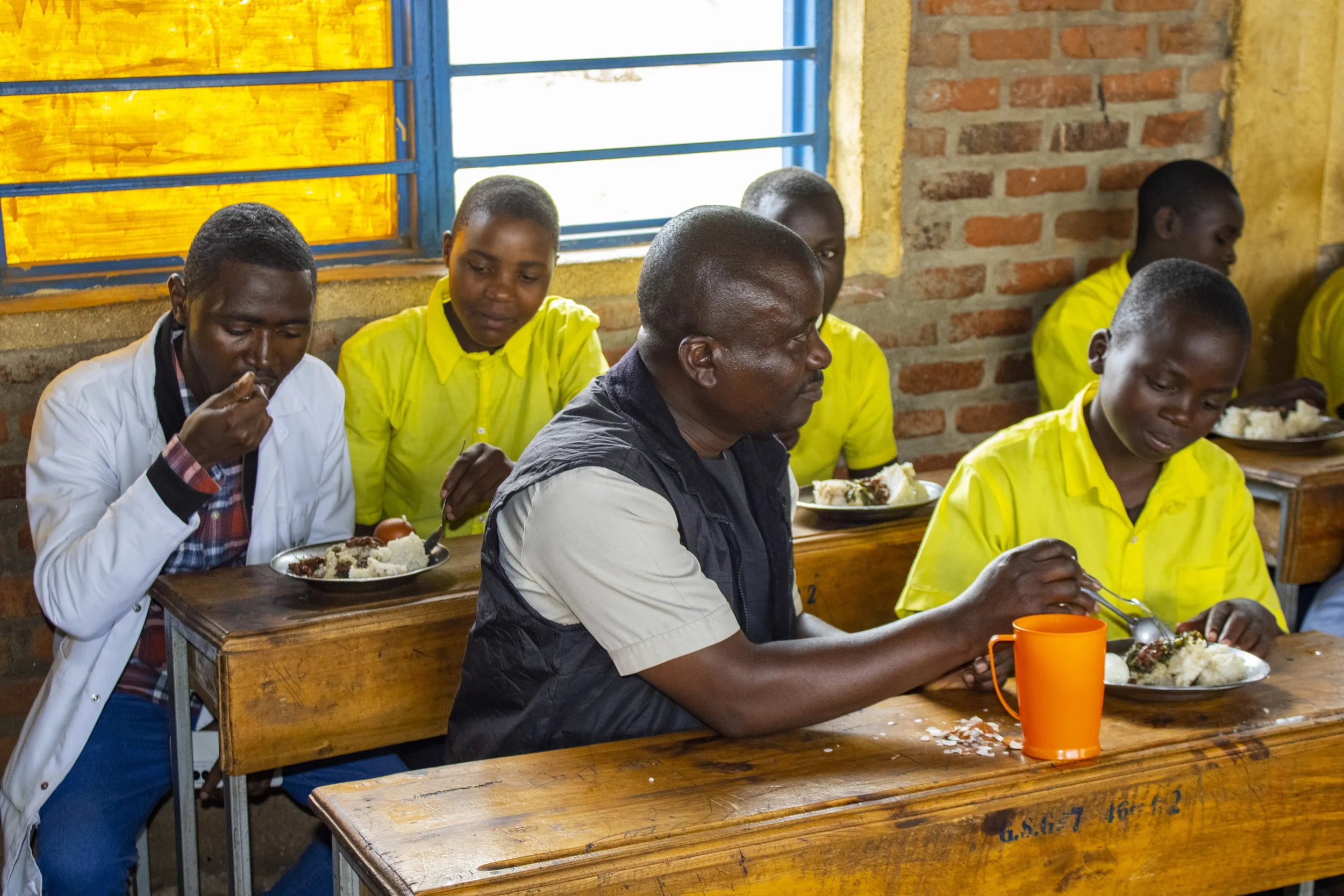
School gardens and nutrition activities support the conditions children need to participate in school.
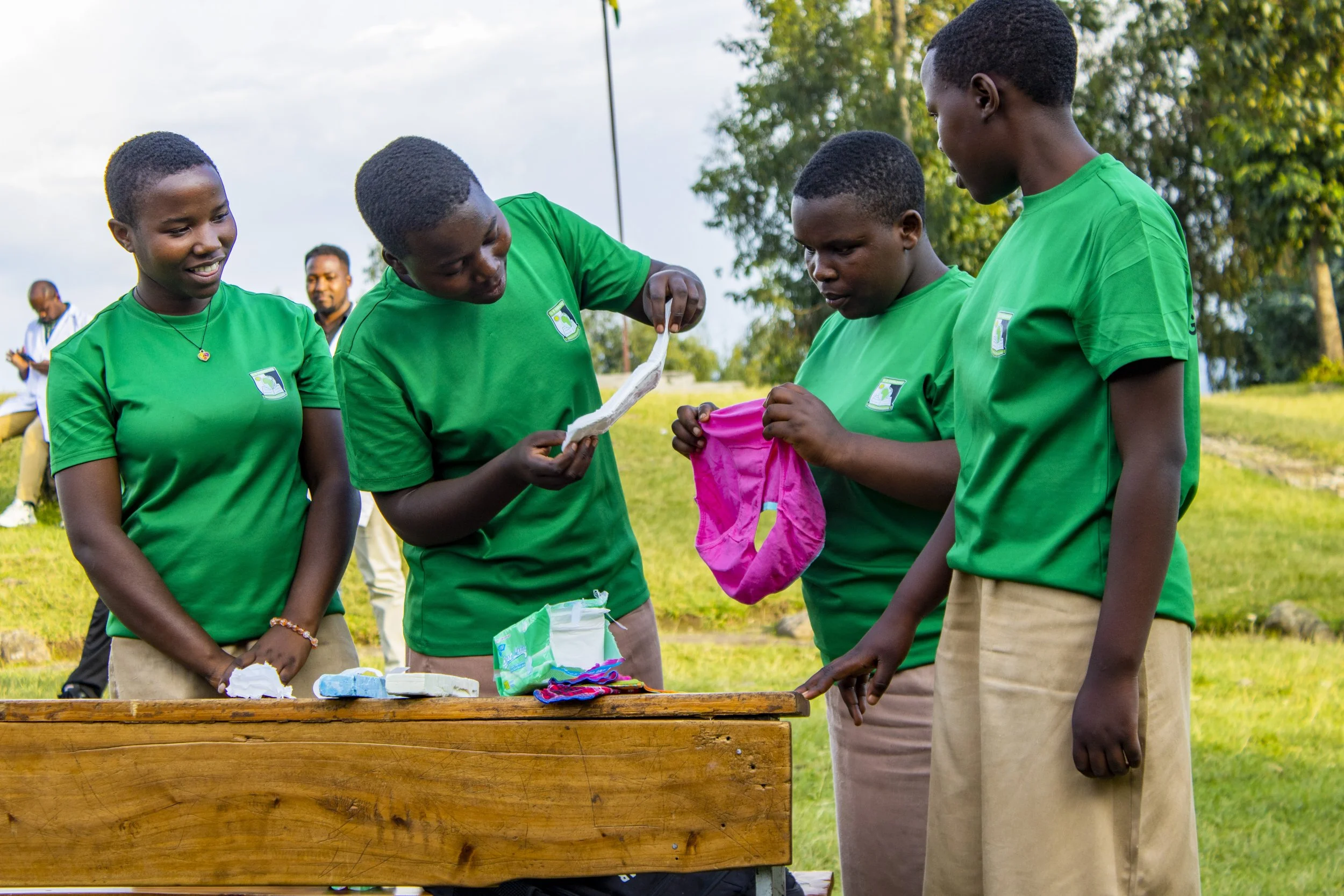
Water and hygiene
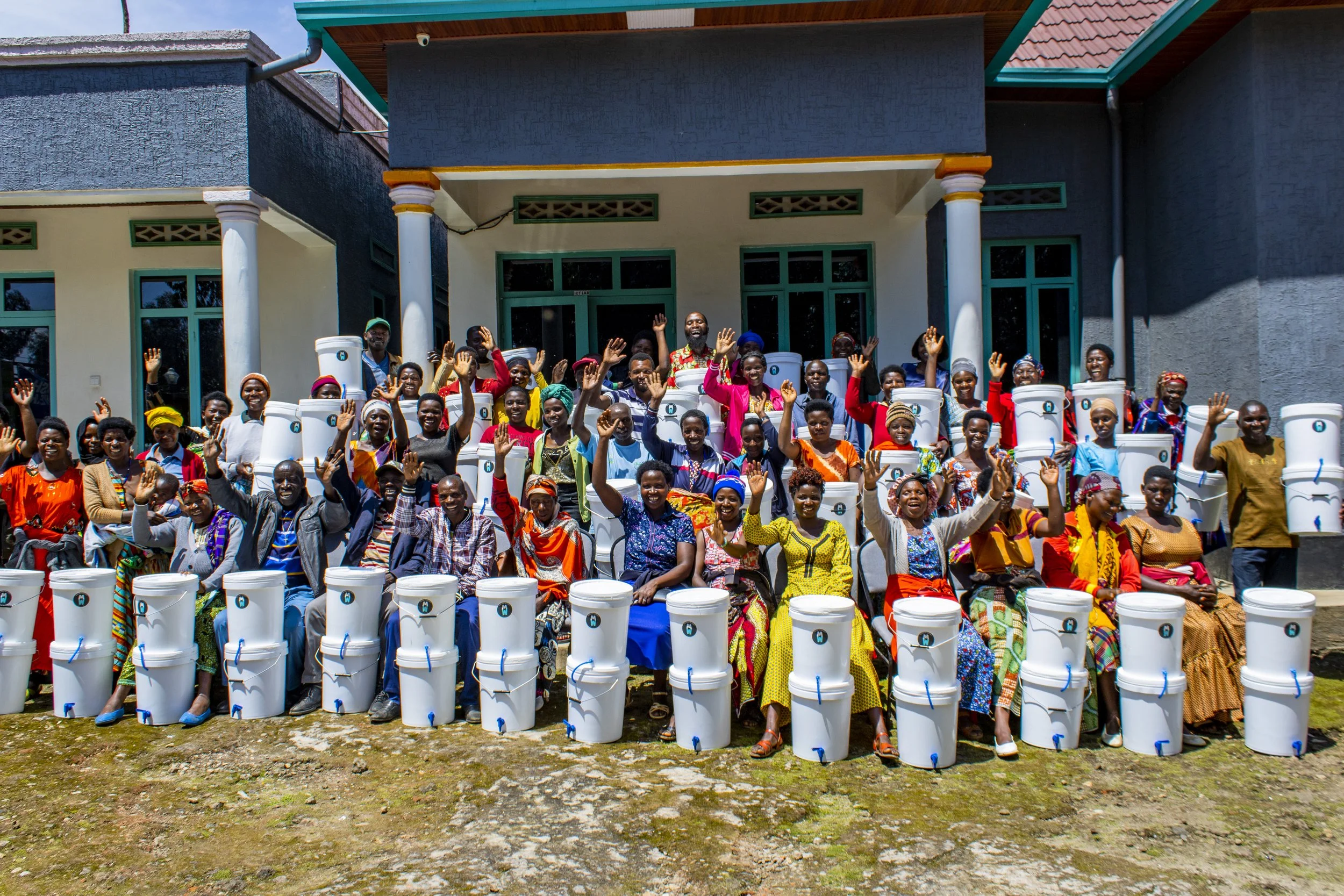
Safe water and hygiene support connect health education with practical actions at school and at home.
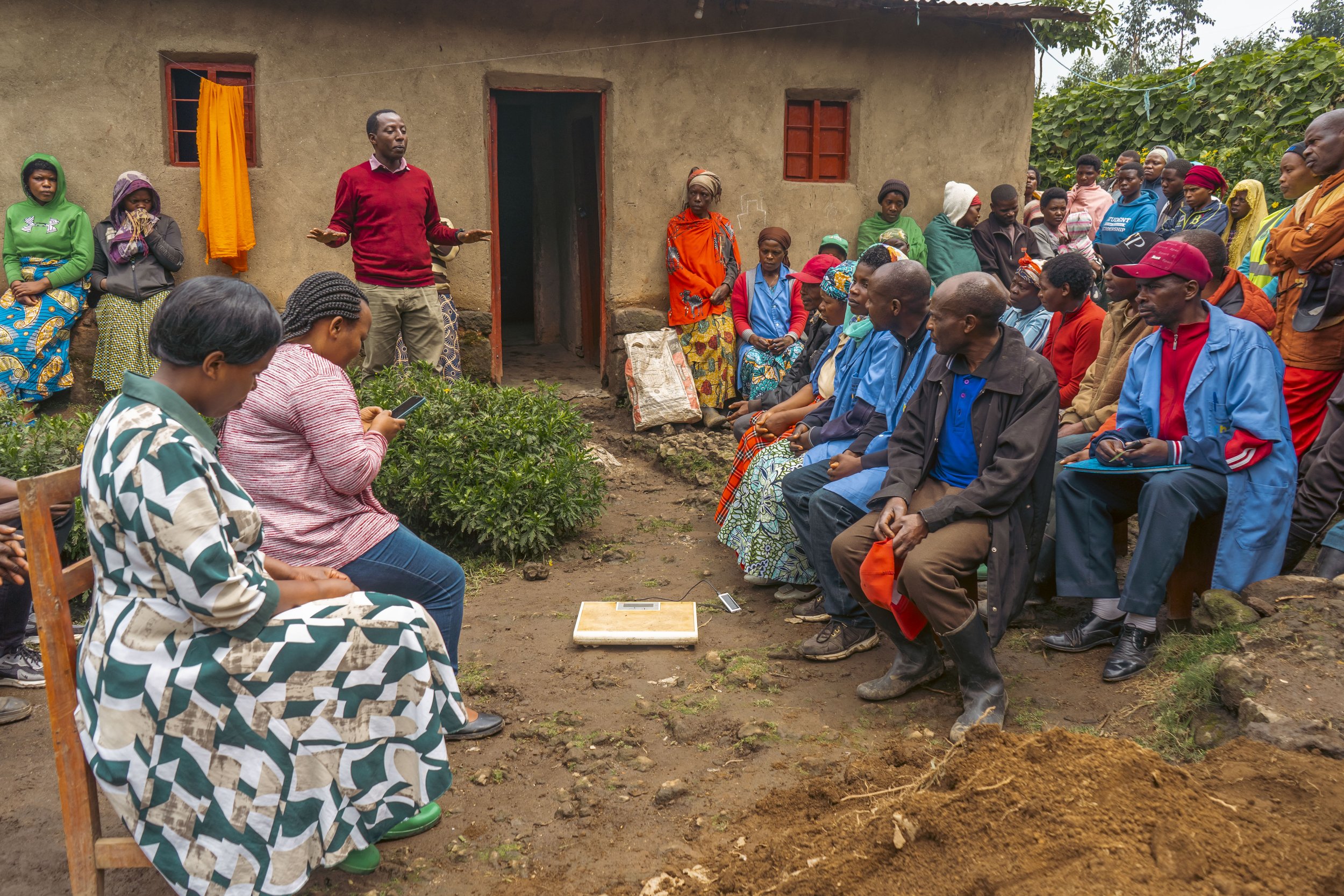
Education and family support
Teacher development, health education, and conversations with families help schools respond to the needs children bring with them.
How the Knot works
From a recognized need to connected support.
The Knot — Ipfundo — connects the people and services already around a child. Each partner has a clear role, and follow-up helps keep a referral from becoming the end of the story.
Recognize needs early
Teachers and community health workers help identify signs of illness, nutrition concerns, hygiene needs, and barriers to attendance or learning. Screening helps flag concerns that need further assessment.
Connect school and home
Community health workers communicate with teachers and caregivers, help families understand the concern, and identify practical barriers such as transport, cost, or difficulty reaching services.
Link the child to appropriate care
Children who need clinical assessment are referred to the appropriate health facility. Health professionals assess, diagnose, and treat within their roles; teachers and CHWs support the connection to care.
Carry information with the child
The Health Passport helps document relevant screening findings, referrals, and follow-up. Information is shared with consent and appropriate privacy safeguards to support continuity across school, home, and care.
Follow through after referral
CHWs follow up with families to understand whether care was received, identify remaining barriers, and support the next steps. Relevant feedback helps schools support the child’s return and participation.
Strengthen everyday conditions for learning
School gardens and nutrition activities, safe water and hygiene support, health education, and teacher development address needs beyond a single illness. Families and schools help sustain these practices.
A connection in practice
A teacher notices that a child is repeatedly absent and often feels unwell. A CHW speaks with the family, helps connect the child to a health facility, and follows up after the visit. With appropriate consent, the school receives the information it needs to support the child.
Illustrative pathway — not a report of an individual child’s experience.
Measures of progress
Children screened · Referrals made · Care received after referral · Follow-up completed · Attendance and participation
At its core, Ipfundo is about connection. By bringing together the people who already play a role in a child’s life, we help communities identify challenges earlier, respond more effectively, and build healthier futures for children.
The goal: timely care, sustained support,
and better conditions for children to learn and thrive.
Photos: Move Up Global and the Ireme team. Photos illustrate the work and are not a record of the individual pathway described above.
Annual Reports