
Our Work
Health
Preventing illness before it disrupts a child's future.
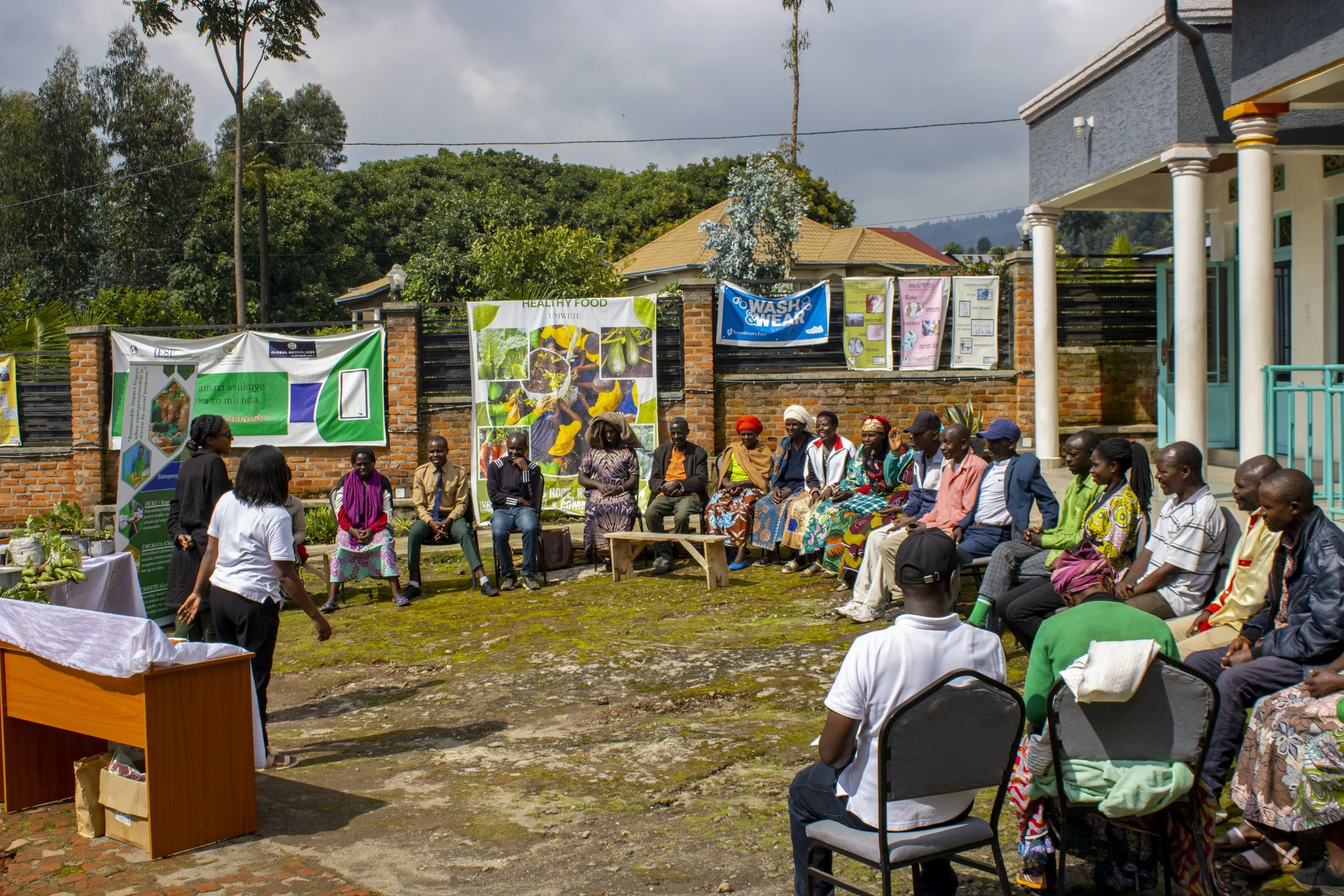
Many health challenges that affect children's well-being also affect their ability to learn, attend school regularly, and reach their full potential. Through early detection, health education, and targeted disease prevention initiatives, we work alongside schools, families, community health workers, and local health facilities to identify health concerns early and connect children to the care they need.
Systematic Health Screenings
Identifying health challenges early and connecting children to care.
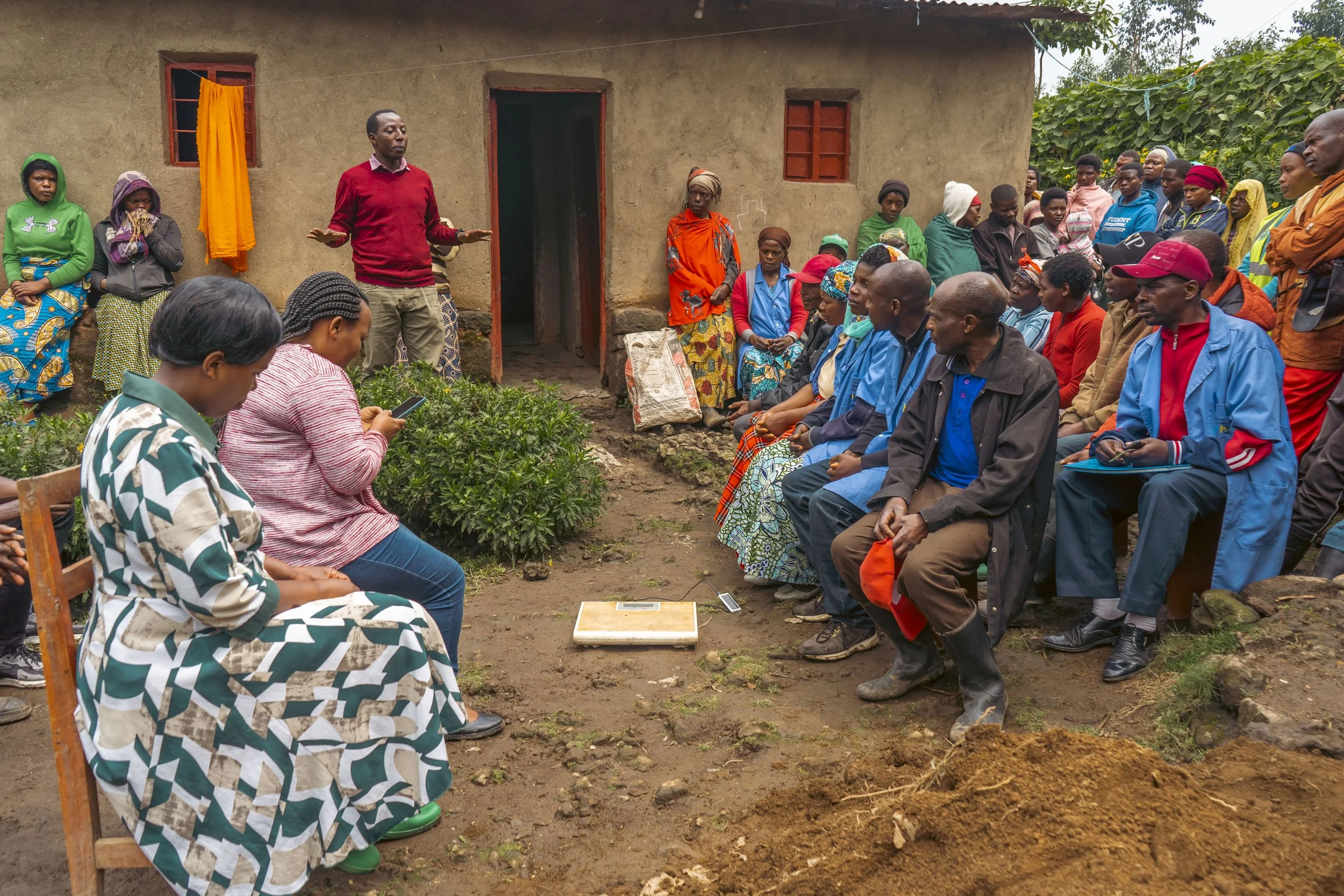
Our community health workers conduct comprehensive school-based health screenings using digital tools to identify conditions that may affect children's health, attendance, and learning. Screenings include nutrition, mental health, neglected tropical diseases, and other priority health concerns. Children requiring further care are referred to local health facilities through an established referral pathway that strengthens coordination between schools and the health system.
Health Passports
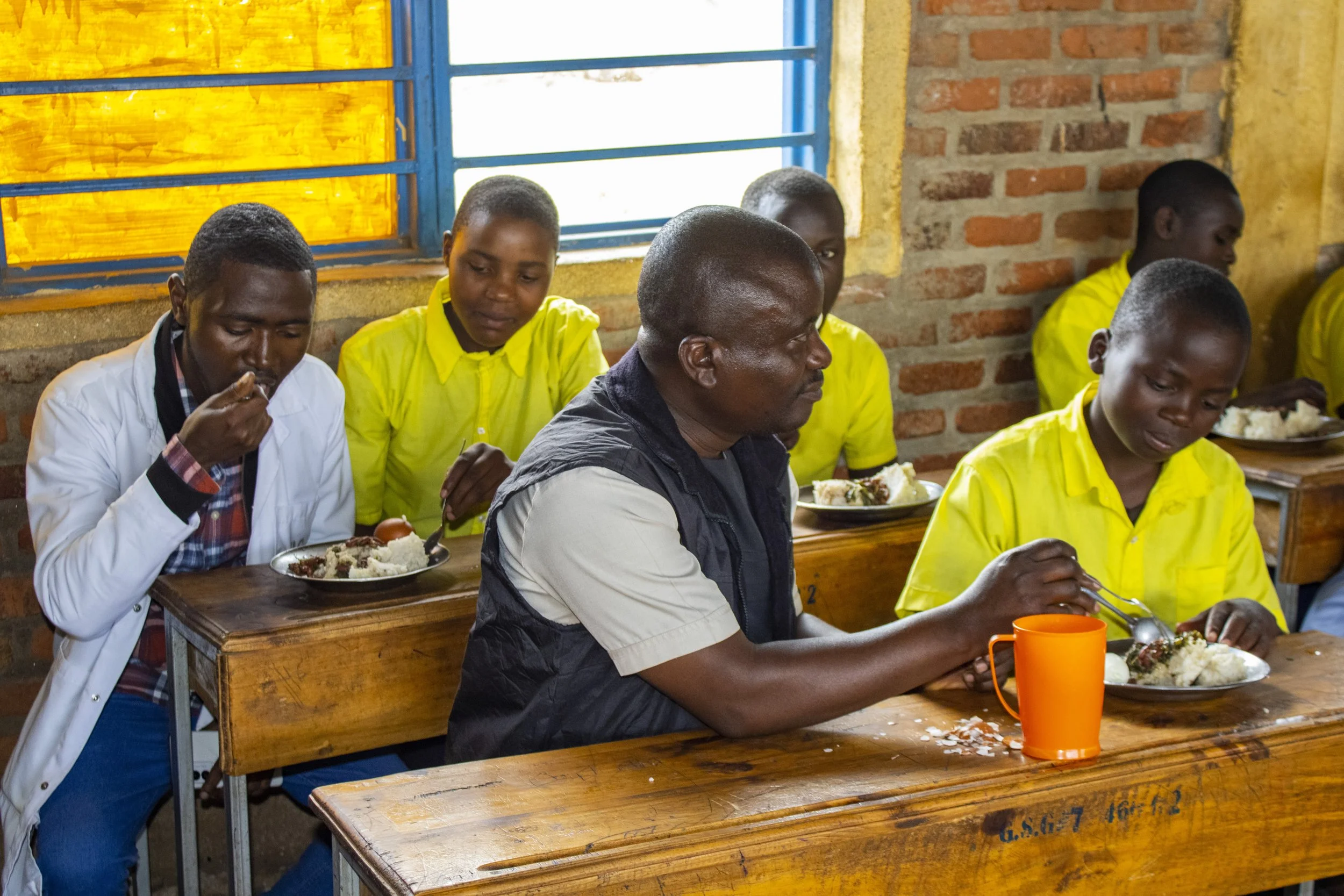
Many children do not have regular access to health information that can help them stay healthy and prevent illness. The Health Passport gives students a practical way to learn about topics such as nutrition, hygiene, oral health, mental health, and sanitation while tracking their progress throughout the school year.
Children complete activities and earn stamps as they reach different milestones, making learning both interactive and rewarding. Community health workers regularly review each passport with students, helping reinforce healthy habits and answer questions along the way.
By helping children understand and take ownership of their health, the Health Passport supports healthier students, families, and communities.
Helping children take ownership of their health.
Shoe Distribution & NTD Prevention
Protecting children's health from the ground up.
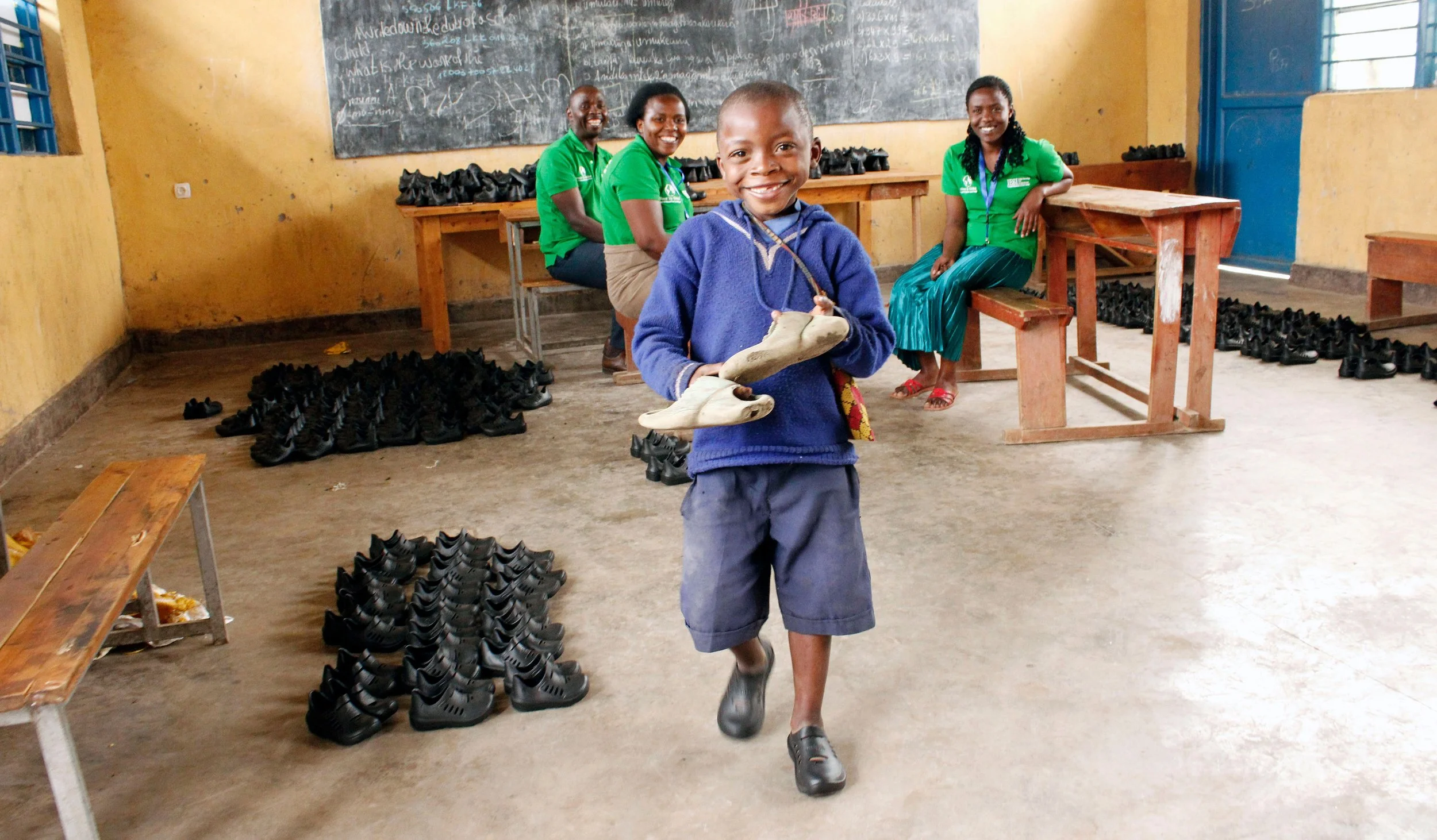
For many children, a pair of shoes is more than a basic necessity. It can help prevent disease, reduce injury, and make it easier to attend school each day.
In partnership with the World Shoe Fund, we provide shoes to children and community members who do not have access to them. This effort is part of our broader work to prevent neglected tropical diseases and other health conditions that can affect children's well-being and school attendance.
Alongside shoe distribution, we support health education and use community health data to identify areas where prevention efforts are needed most. By addressing risks early, we help children stay healthy and spend more time learning, playing, and participating in their communities.
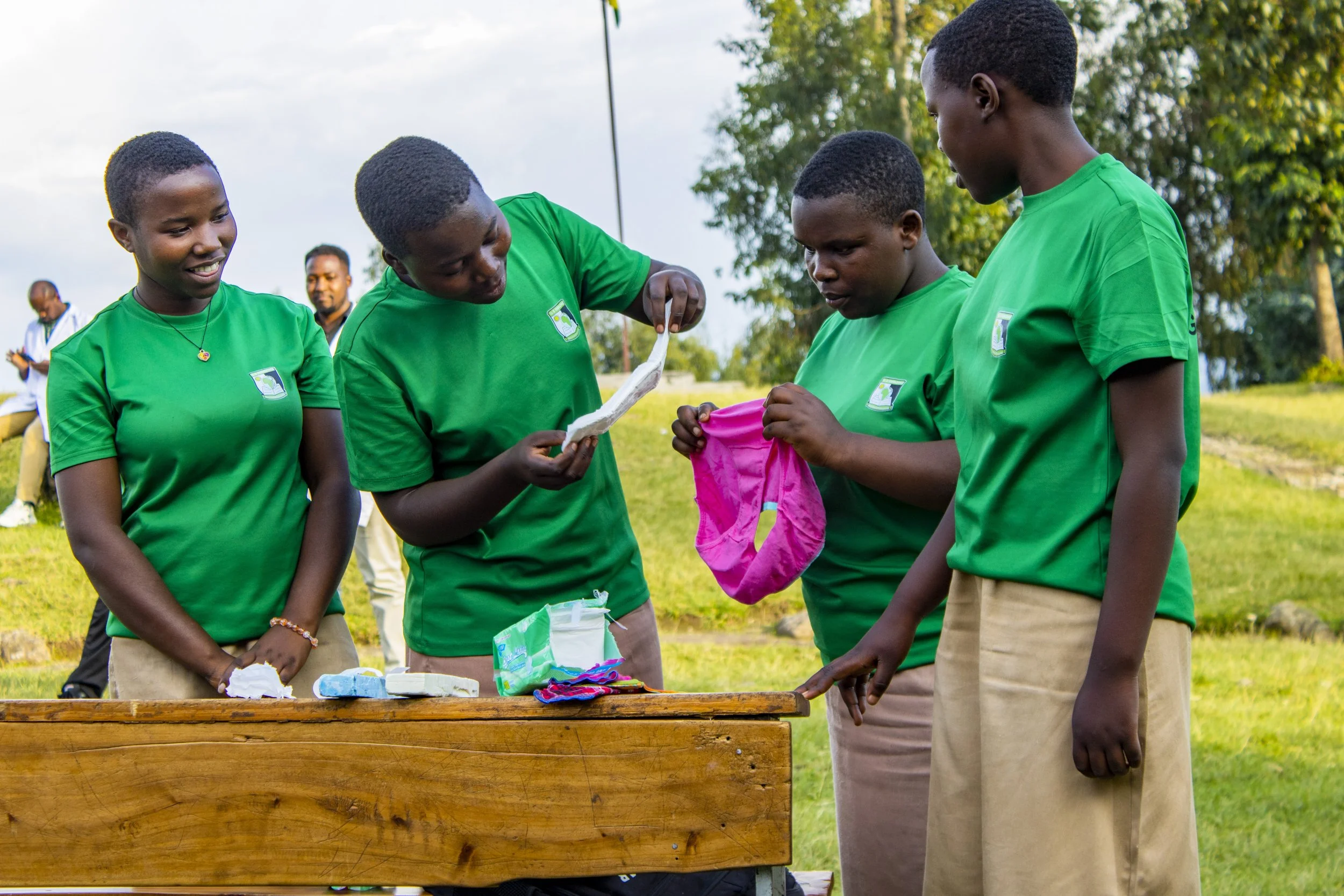
Sexual & Reproductive Health (SRH) Education
Access to accurate information about sexual and reproductive health is essential for helping young people make informed decisions and lead healthy lives. Through education and community engagement, we create safe spaces for learning, dialogue, and empowerment. Through SRH Bootcamps during the summer and community level gender based violence awareness campaigns, our team seeks to provide age-appropriate SRH education to youth and promote safer communities where children, adolescents, and families can thrive.
Equipping young people with knowledge, confidence, and support.
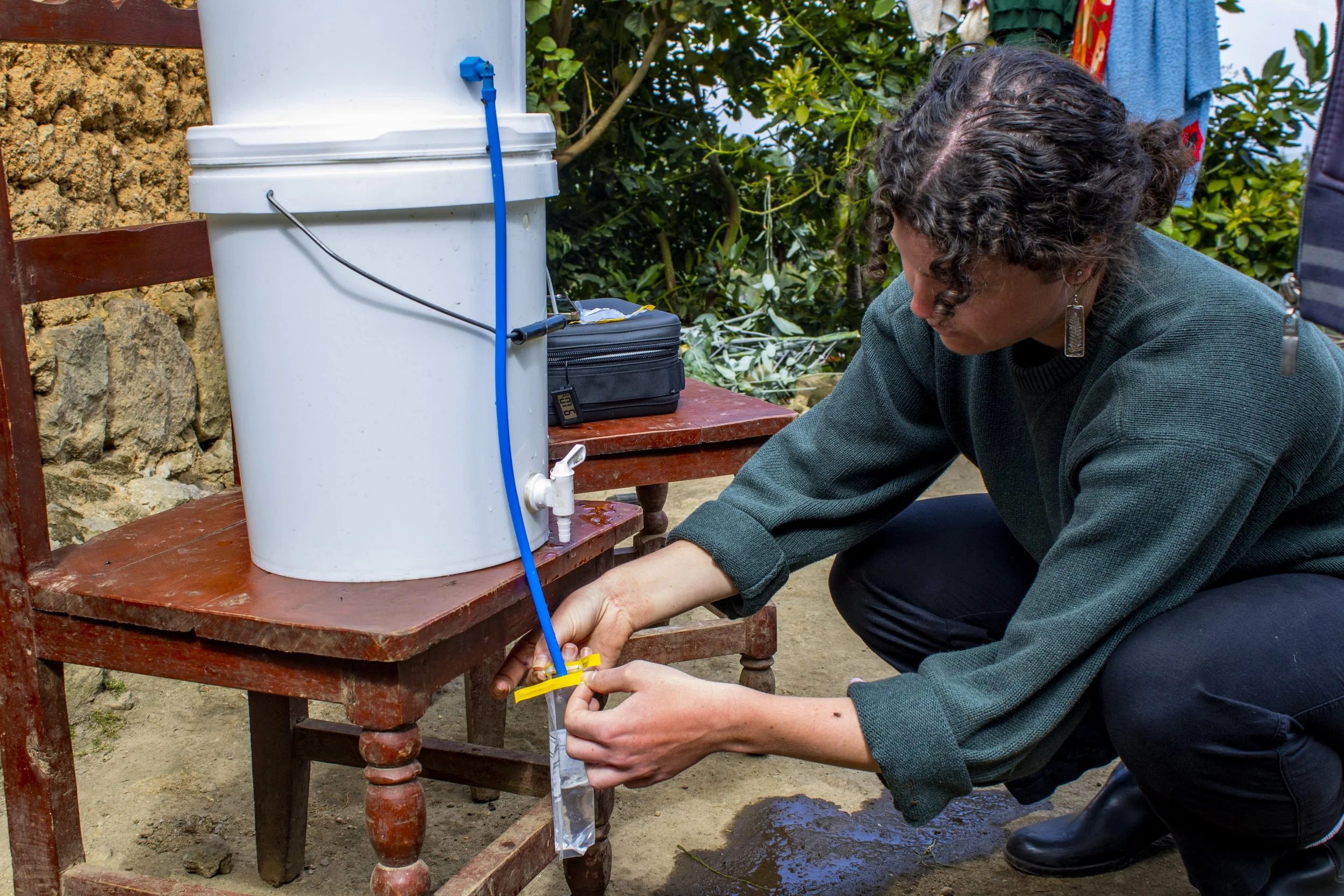
Water, Sanitation & Hygiene (WASH)
Creating healthier schools and communities through safe water and hygiene.
Access to clean water, sanitation, and hygiene is essential for children's health, dignity, and educational success. Our WASH initiatives help reduce preventable illness while creating safer and healthier environments where children can learn and thrive. Through the installation and distribution of community water filtration systems, we help reduce waterborne illnesses and improve access to safe drinking water for schools and surrounding communities.
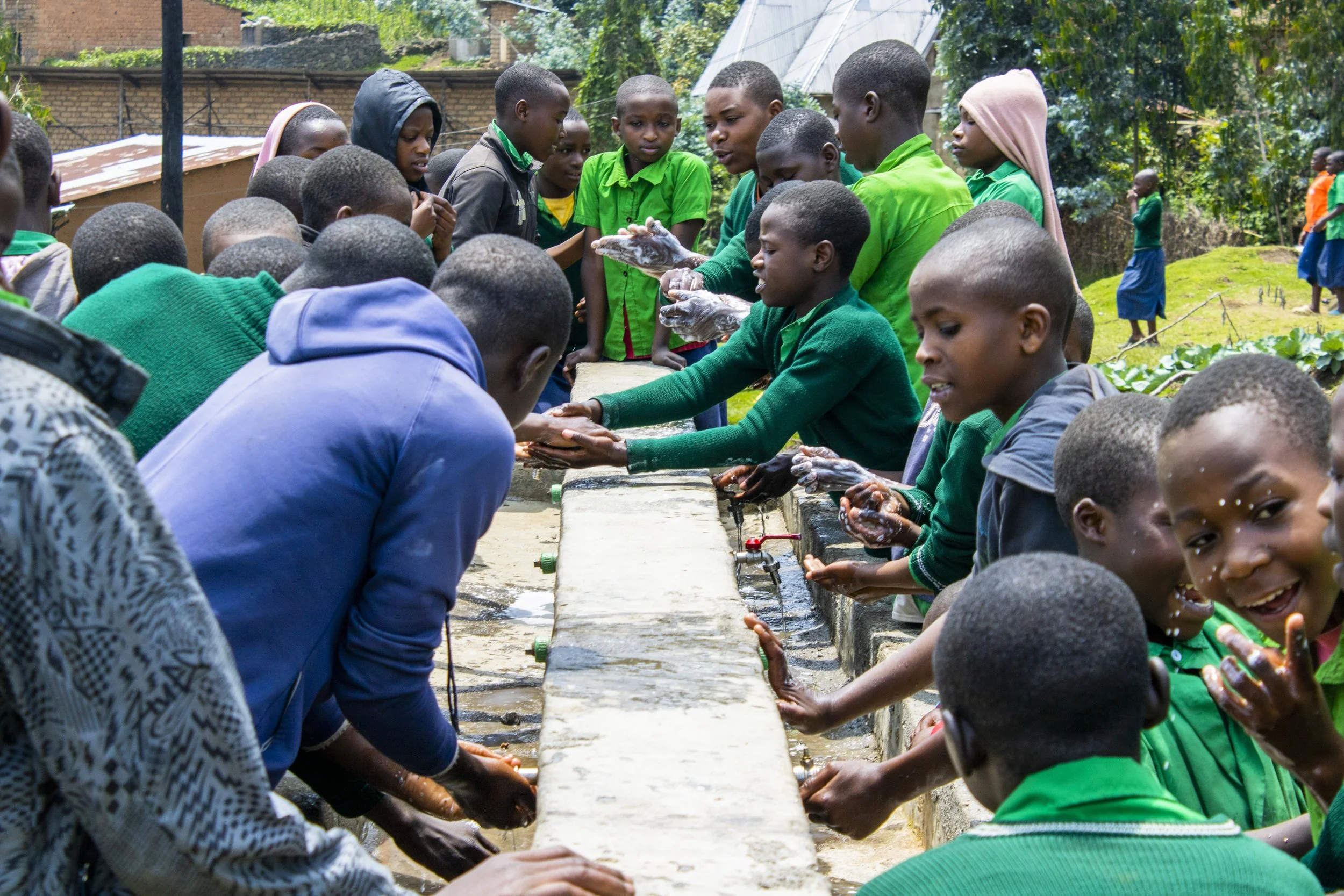
Isuku Soap Project
In communities where soap can be difficult to afford and access to water is limited, maintaining good hygiene is not always easy.
The Isuku Soap Project helps improve access to soap while teaching students the importance of handwashing and good hygiene.
The project began at Nyabirehe School, where teachers learned to make soap and introduced handwashing activities for students. As children learned more about hygiene and disease prevention, handwashing became part of the school day.
Today, the project continues to promote healthy hygiene practices in schools and the wider community, helping children put health lessons into practice in their everyday lives.
Promoting hygiene through local solutions.