
Our Work
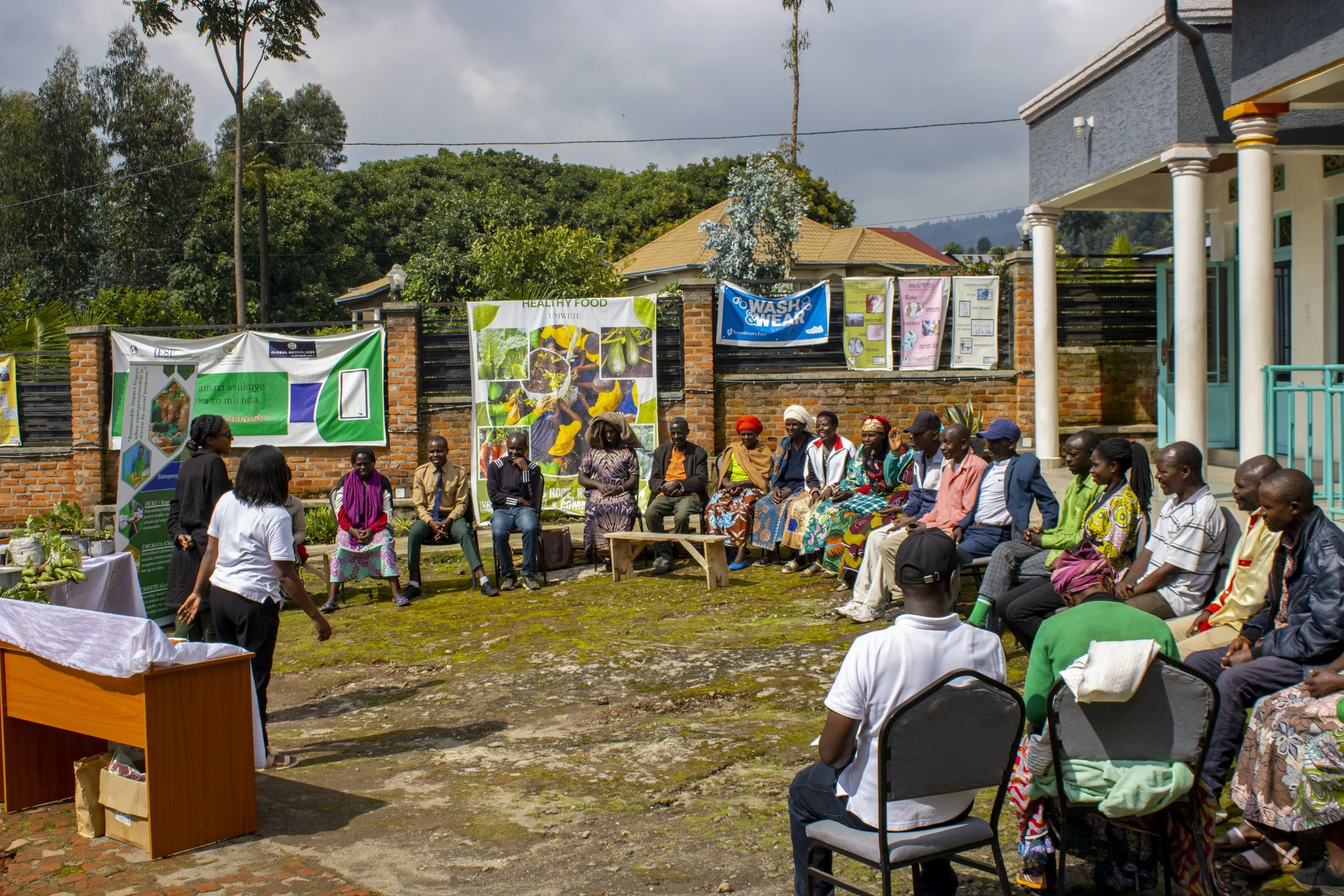
Livelihoods & Community Development
Umwete Garden Project
Growing food, knowledge, and opportunity.
Many children in rural communities do not have reliable access to nutritious food, and this affects their health and ability to learn.
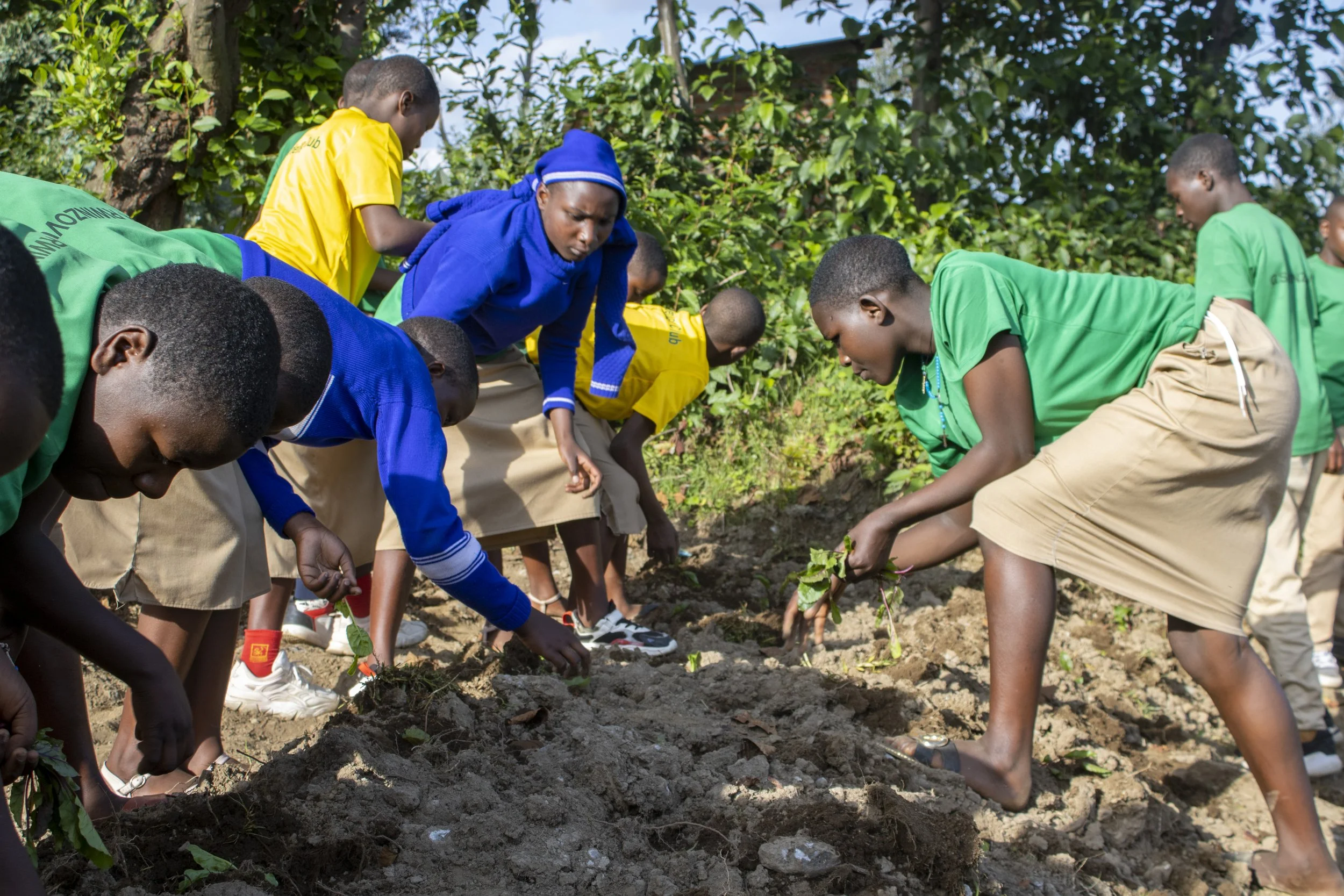
The Umwete Garden Project works with schools to grow vegetables that are used in student meals. Teachers and community members help run the gardens, and students take part in planting, caring for crops, and harvesting food.
The gardens also serve as a place for learning. Children learn how food is grown, practice basic farming skills, and understand what healthy eating looks like in everyday life.
Families receive seedlings and simple training to start small gardens at home. This helps bring fresh food closer to where children live, not just where they go to school.
By growing food at school and at home, children are more likely to have regular meals and better nutrition.
Playground & Soccer Field
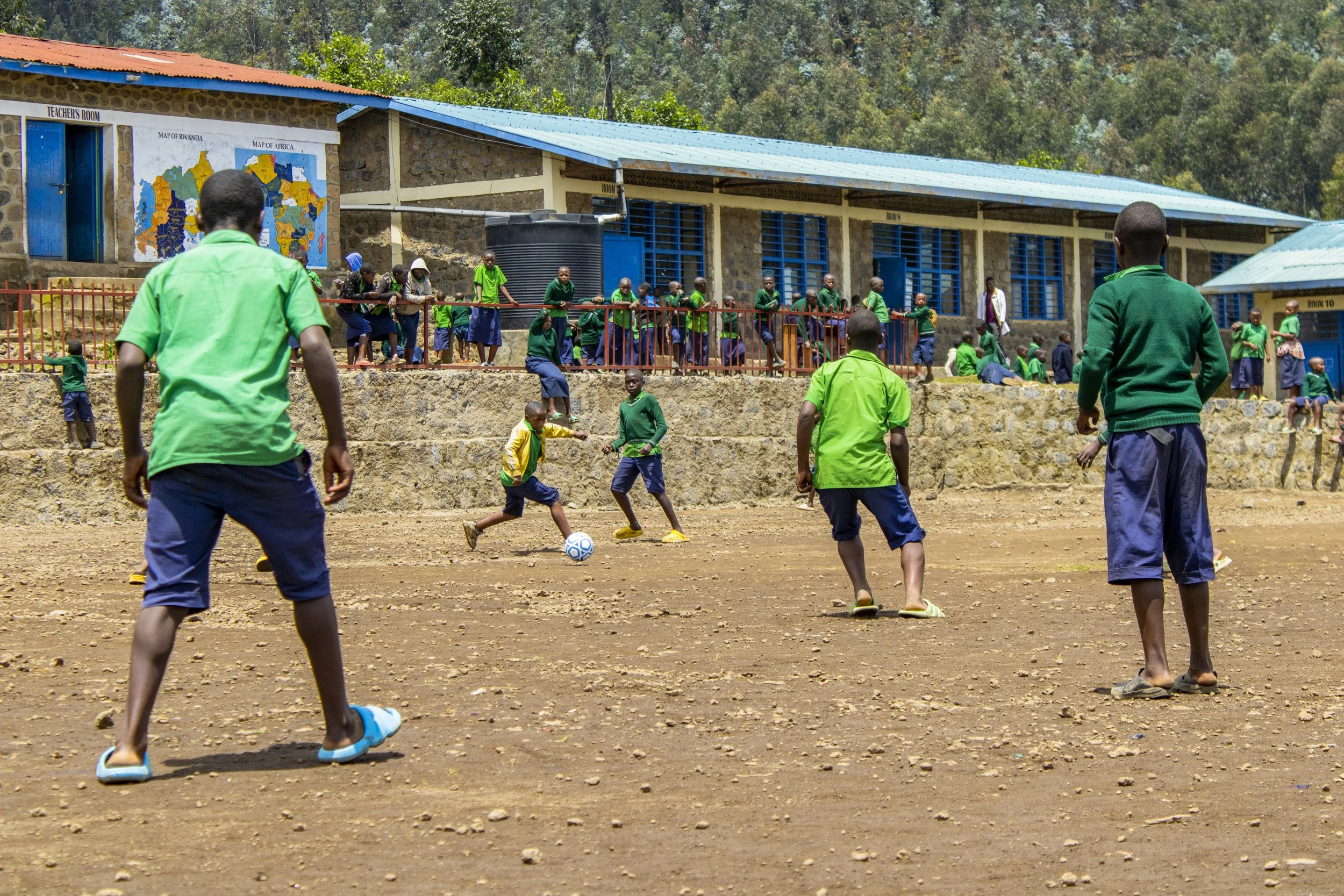
In a rural community near Volcanoes National Park, children did not have a safe space for play or organized sport. The ground at Nyabirehe School was uneven and difficult to use.
With the collective effort of more than 6,000 community members, the space was transformed into a soccer field for students. Today, more than 1,100 students use the field for play, physical activity, and school sports.
The field has become part of daily school life, giving children a place to run, play, and spend time together outside the classroom.
Creating space to learn through play.
Livestock Sharing Program
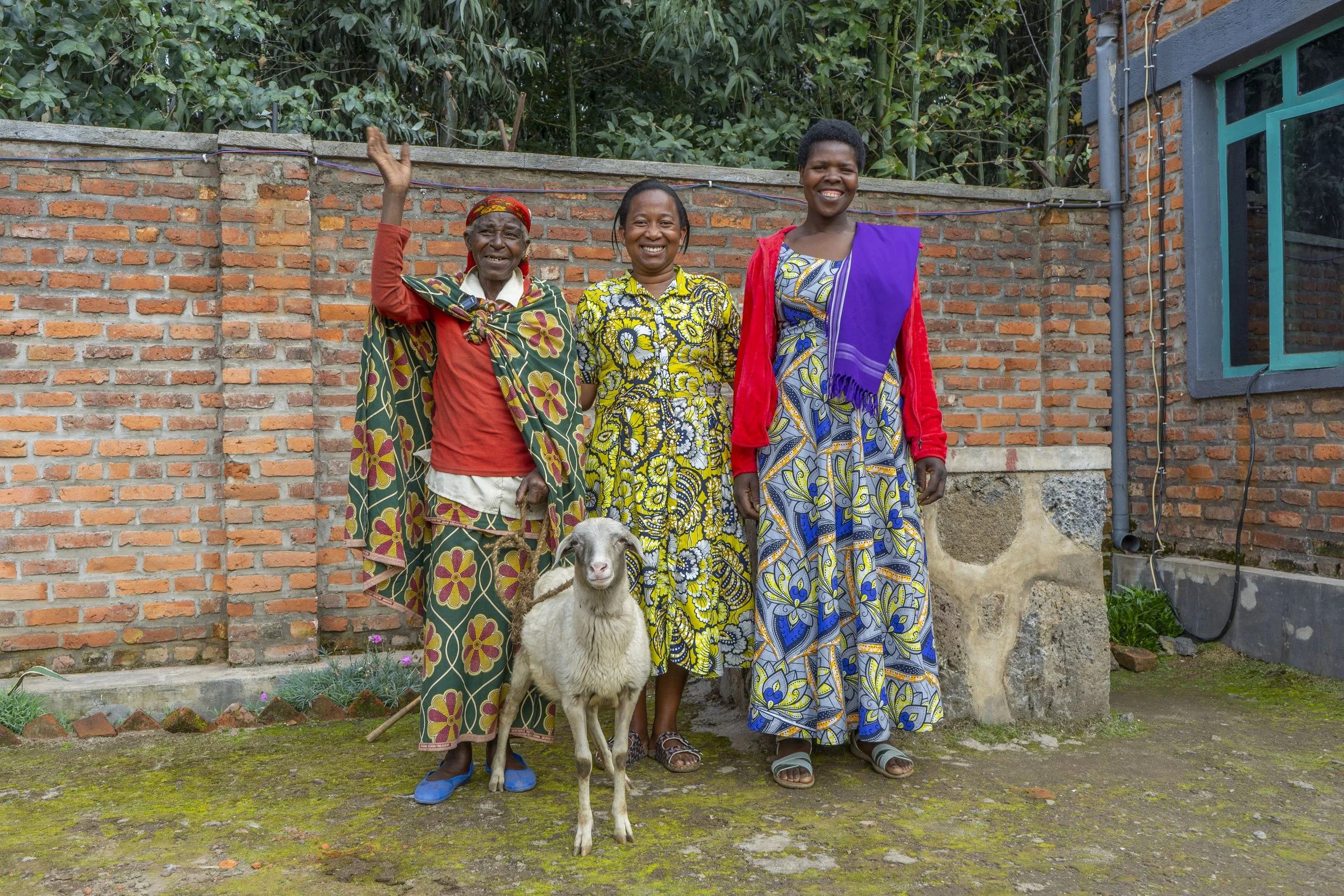
The Livestock Sharing Program helps families improve nutrition and household livelihoods through community-based livestock ownership. By sharing resources and knowledge, families are better equipped to support children's health, education, and long-term well-being.
Building household resilience through shared opportunity.
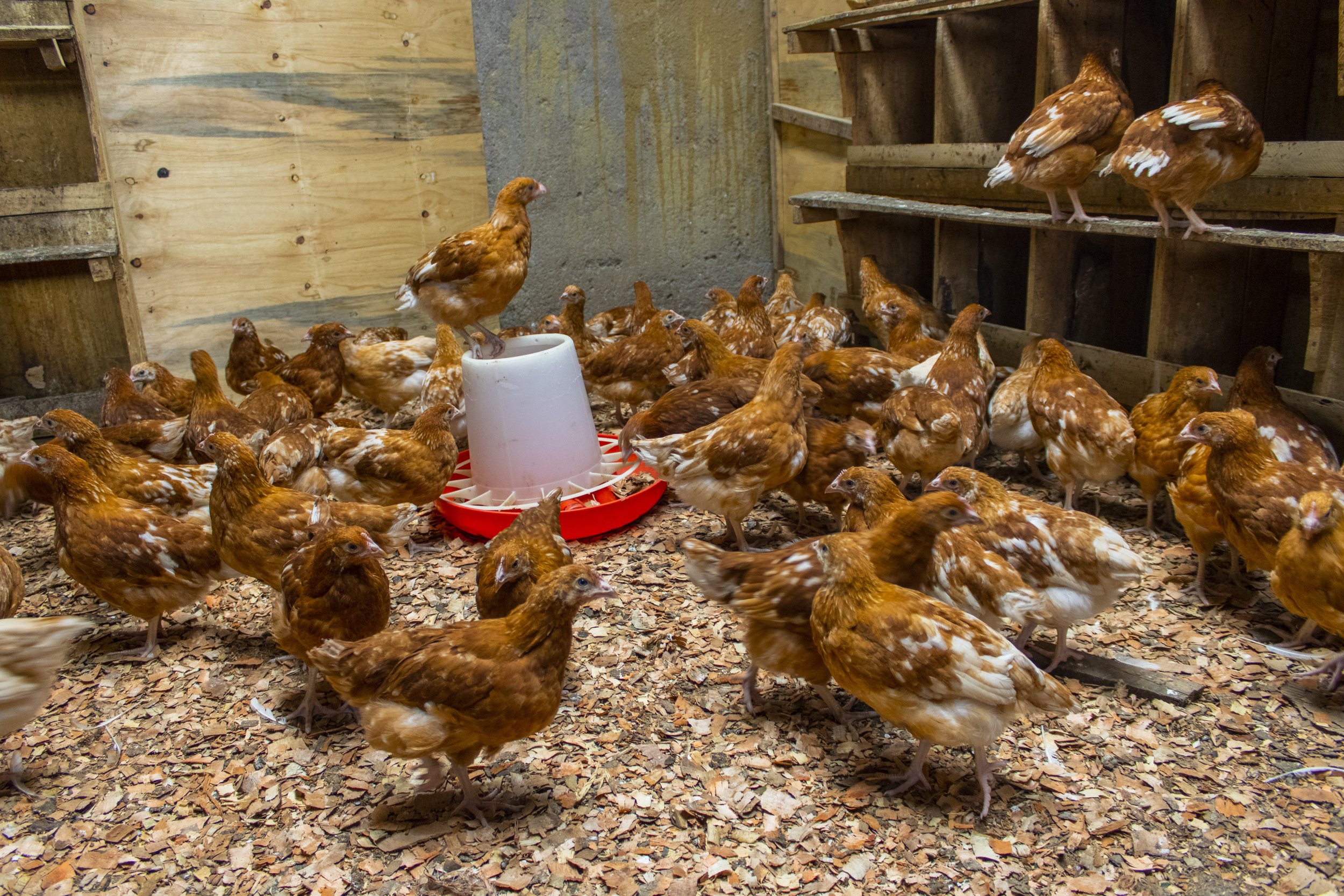
Umurava Chicken Farming Project
Through school-based poultry farming, students receive eggs that support their nutrition, growth, and learning.
At Nyabirehe Primary School, chickens are raised at the school with support from teachers and students. Younger students receive eggs as part of their meals. Older students learn how to care for chickens and raise chicks.
The school also grows vegetables that are used in school meals throughout the year. These activities help make school feeding more consistent.
In this community, many families struggle with the cost of keeping children in school. Improving school meals has been one way to help children stay in class and learn.
Turning school meals into opportunities for growth.