
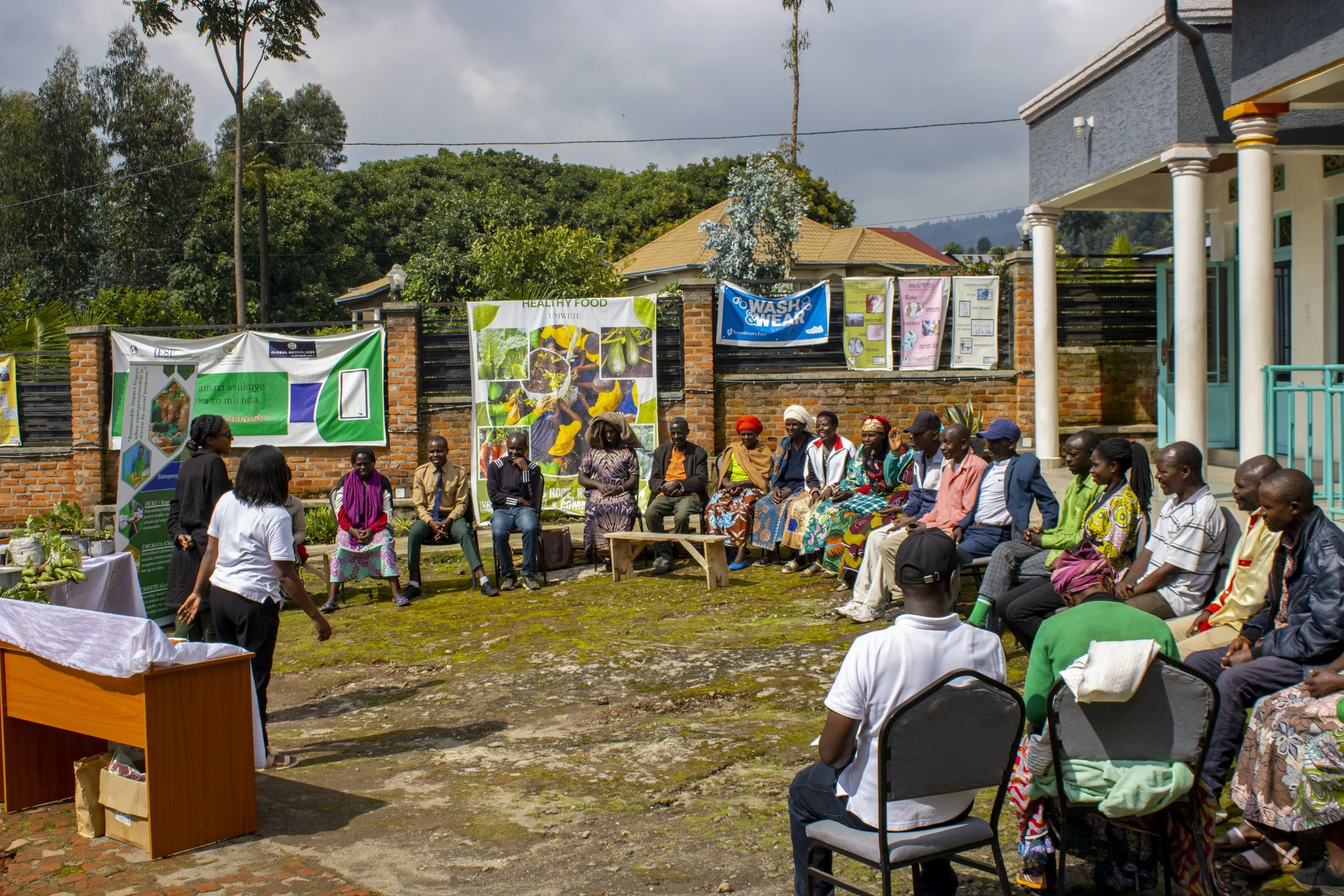
Our Work
Health
Preventing illness before it disrupts a child's future.
Many health challenges that affect children's well-being also affect their ability to learn, attend school regularly, and reach their full potential. Through early detection, health education, and targeted disease prevention initiatives, we work alongside schools, families, community health workers, and local health facilities to identify health concerns early and connect children to the care they need.
Systematic Health Screenings
Identifying health challenges early and connecting children to care.
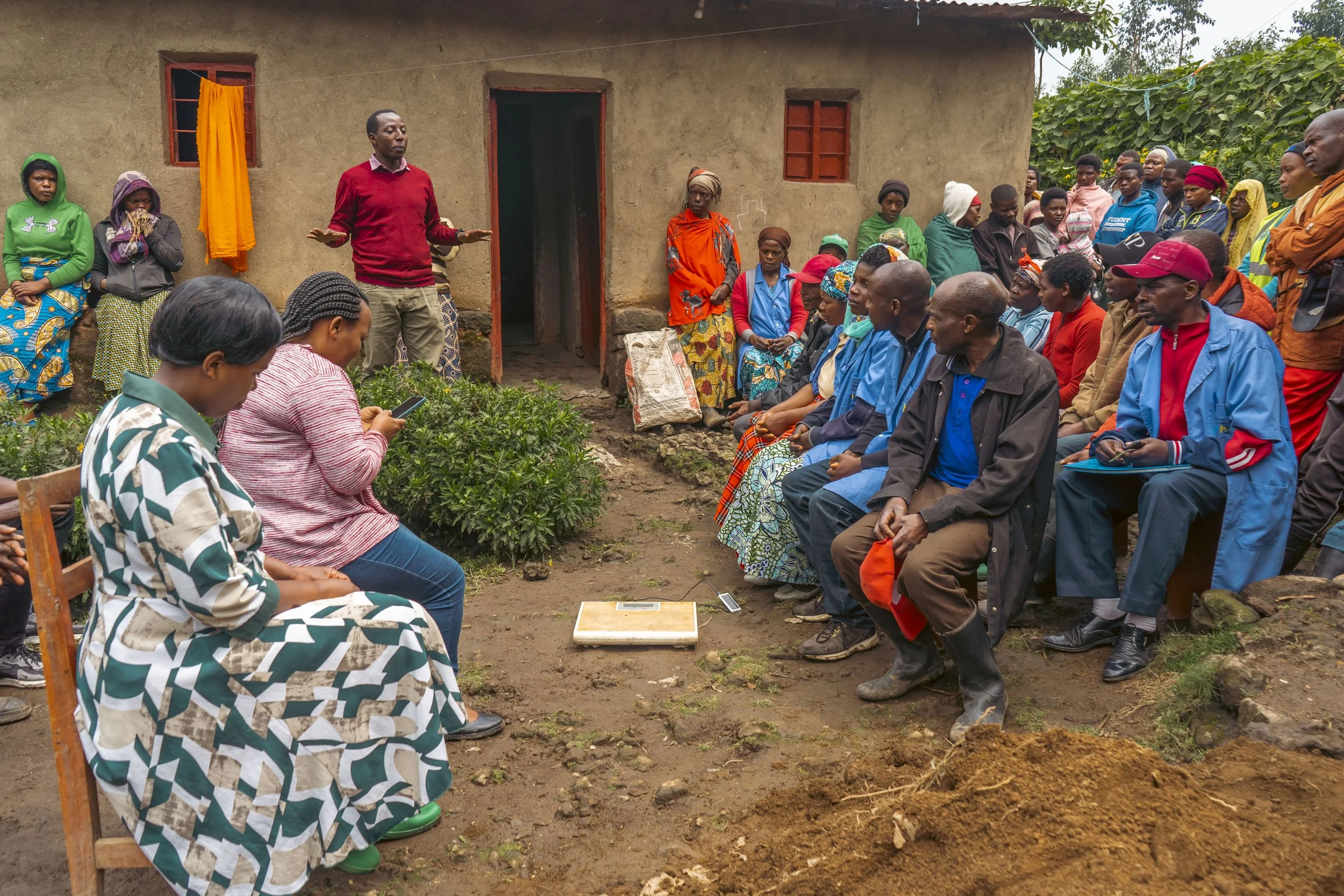
Our community health workers conduct comprehensive school-based health screenings using digital tools to identify conditions that may affect children's health, attendance, and learning. Screenings include nutrition, mental health, neglected tropical diseases, and other priority health concerns. Children requiring further care are referred to local health facilities through an established referral pathway that strengthens coordination between schools and the health system.
Health Passports
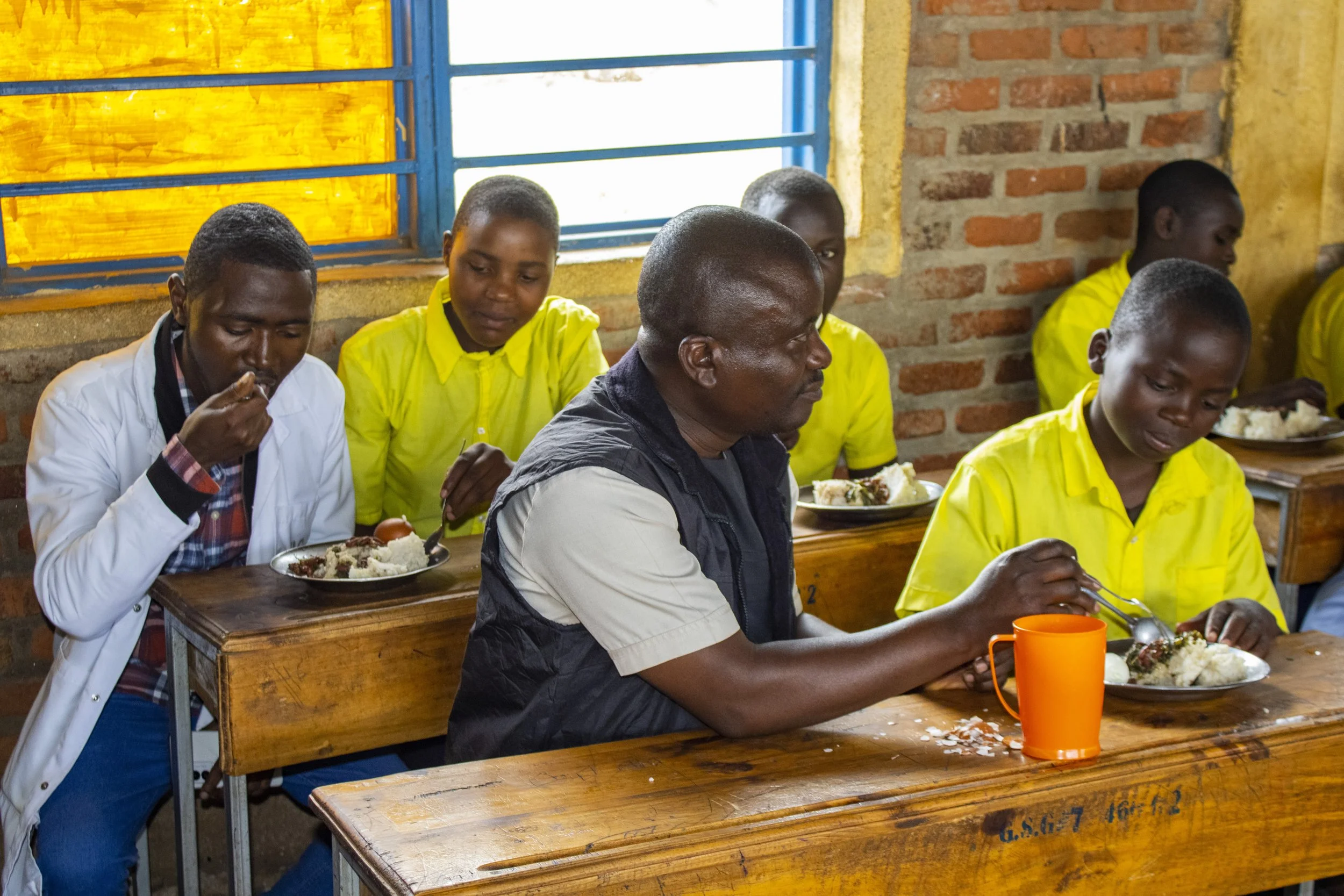
Many children do not have regular access to health information that can help them stay healthy and prevent illness. The Health Passport gives students a practical way to learn about topics such as nutrition, hygiene, oral health, mental health, and sanitation while tracking their progress throughout the school year.
Children complete activities and earn stamps as they reach different milestones, making learning both interactive and rewarding. Community health workers regularly review each passport with students, helping reinforce healthy habits and answer questions along the way.
By helping children understand and take ownership of their health, the Health Passport supports healthier students, families, and communities.
Helping children take ownership of their health.
Shoe Distribution & NTD Prevention
Protecting children's health from the ground up.
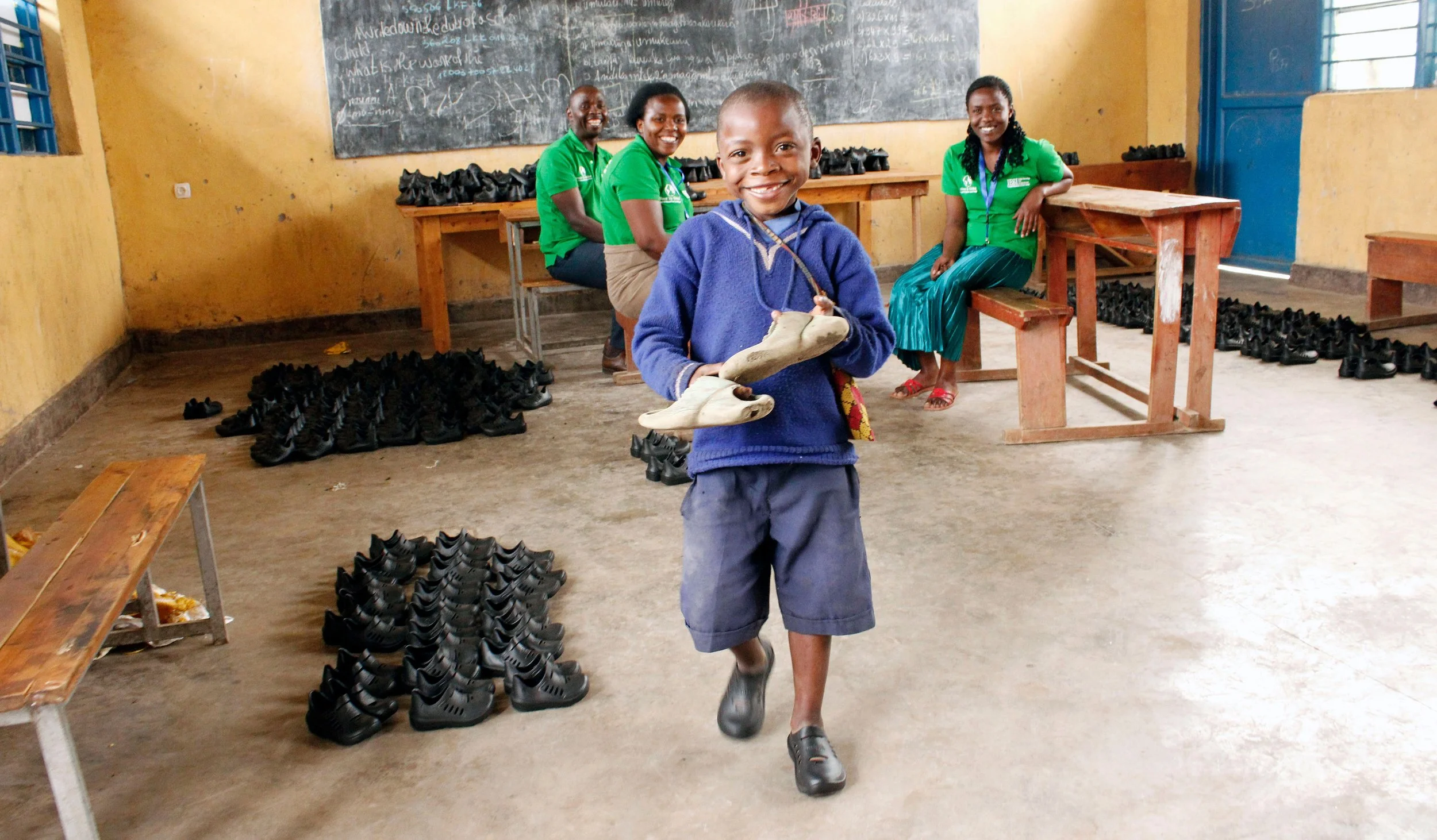
For many children, a pair of shoes is more than a basic necessity. It can help prevent disease, reduce injury, and make it easier to attend school each day.
In partnership with the World Shoe Fund, we provide shoes to children and community members who do not have access to them. This effort is part of our broader work to prevent neglected tropical diseases and other health conditions that can affect children's well-being and school attendance.
Alongside shoe distribution, we support health education and use community health data to identify areas where prevention efforts are needed most. By addressing risks early, we help children stay healthy and spend more time learning, playing, and participating in their communities.
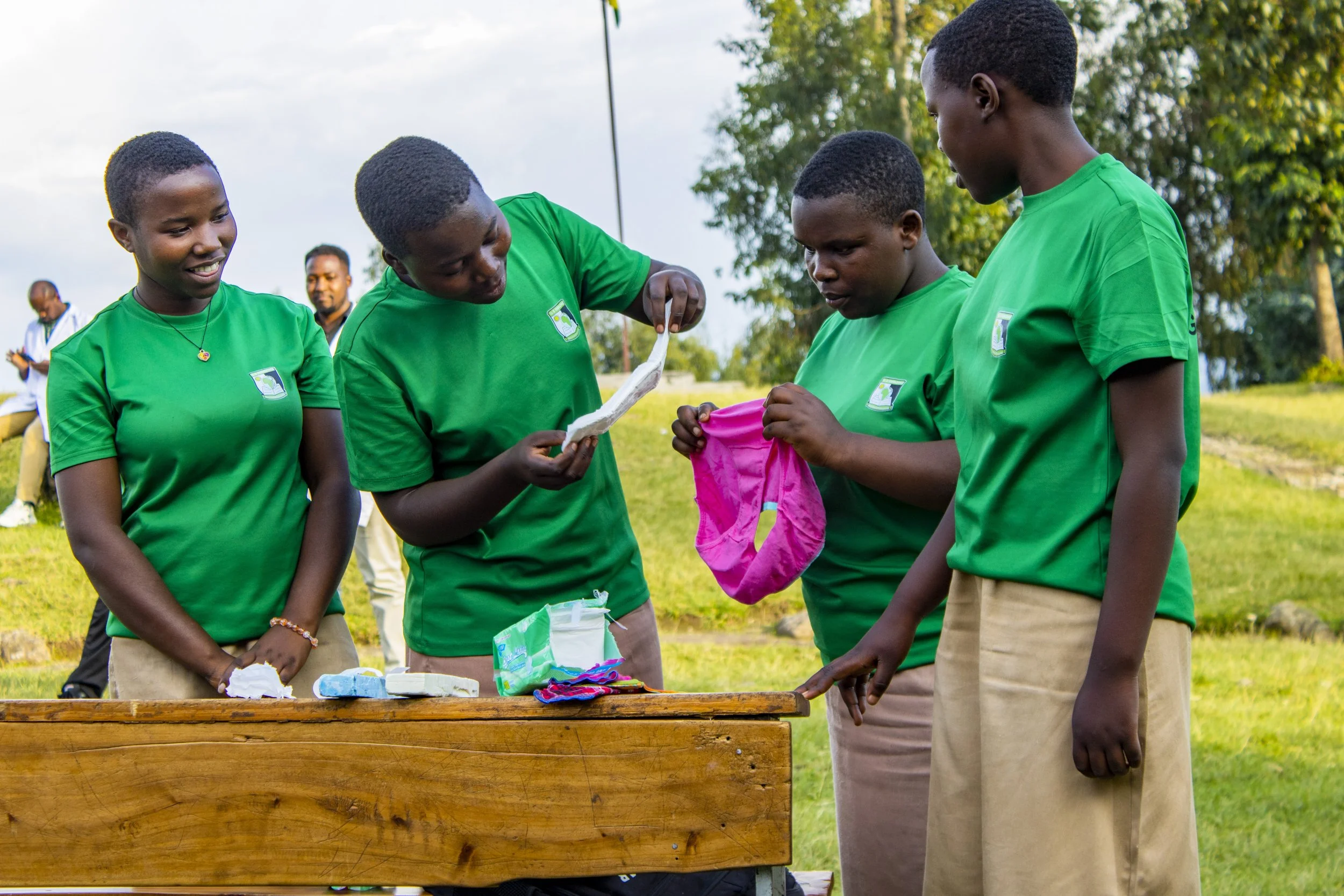
Sexual & Reproductive Health (SRH) Education
Access to accurate information about sexual and reproductive health is essential for helping young people make informed decisions and lead healthy lives. Through education and community engagement, we create safe spaces for learning, dialogue, and empowerment. Through SRH Bootcamps during the summer and community level gender based violence awareness campaigns, our team seeks to provide age-appropriate SRH education to youth and promote safer communities where children, adolescents, and families can thrive.
Equipping young people with knowledge, confidence, and support.
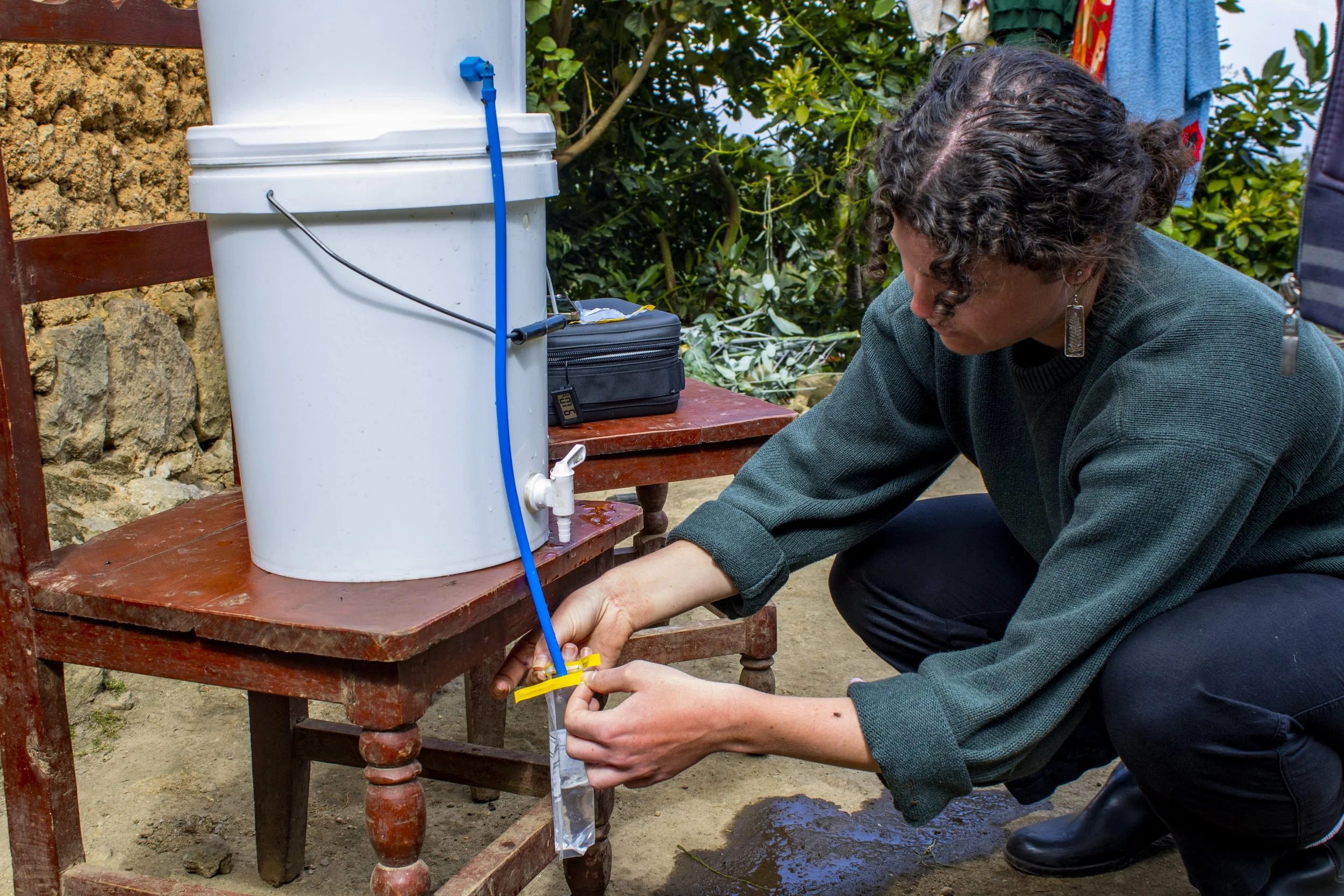
Water, Sanitation & Hygiene (WASH)
Creating healthier schools and communities through safe water and hygiene.
Access to clean water, sanitation, and hygiene is essential for children's health, dignity, and educational success. Our WASH initiatives help reduce preventable illness while creating safer and healthier environments where children can learn and thrive. Through the installation and distribution of community water filtration systems, we help reduce waterborne illnesses and improve access to safe drinking water for schools and surrounding communities.
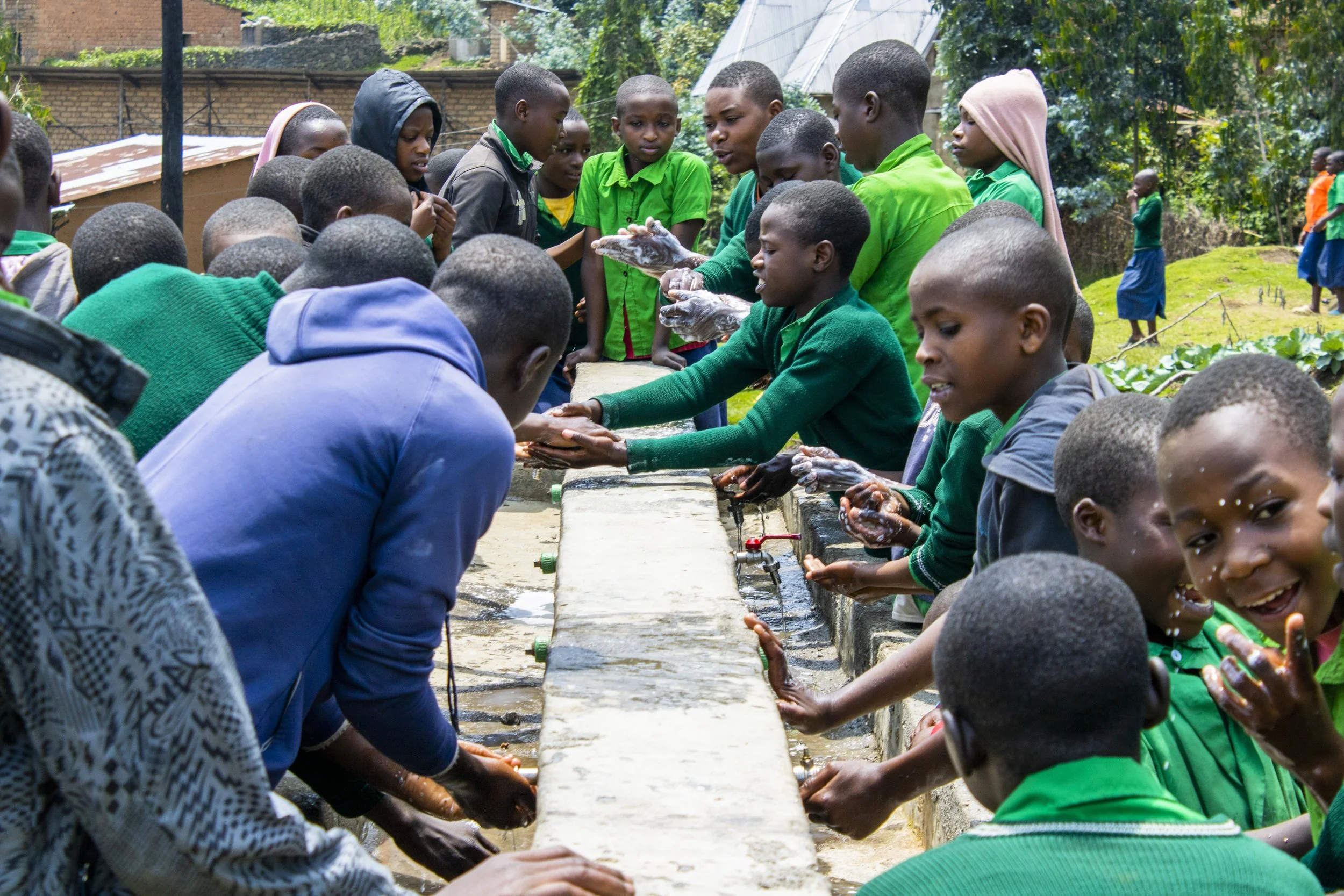
Isuku Soap Project
In communities where soap can be difficult to afford and access to water is limited, maintaining good hygiene is not always easy.
The Isuku Soap Project helps improve access to soap while teaching students the importance of handwashing and good hygiene.
The project began at Nyabirehe School, where teachers learned to make soap and introduced handwashing activities for students. As children learned more about hygiene and disease prevention, handwashing became part of the school day.
Today, the project continues to promote healthy hygiene practices in schools and the wider community, helping children put health lessons into practice in their everyday lives.
Promoting hygiene through local solutions.
Education
Expanding opportunities for every child to learn and succeed.
In many rural communities, children face barriers that make it difficult to stay in school and learn consistently.
Our education programs work through schools to support both learning and the conditions that make learning possible. We work with teachers, students, and families to strengthen education and help ensure children can stay in school and participate fully in their learning.
The focus is on building practical skills, improving access to opportunity, and supporting schools as places where children can learn, grow, and receive the support they need to succeed.
Mt. Muhabura Scholarship Fund
Opening doors to educational opportunity.
In communities around Volcanoes National Park, many families struggle to afford the costs of secondary education. For some students, these costs make it difficult to stay in school even when they are performing well academically.
The Mt. Muhabura Scholarship Fund supports students from vulnerable families who show strong academic performance but may not be able to continue their education due to financial barriers. The program helps cover school fees, transportation, uniforms, and basic learning materials.
By reducing these costs, the scholarship helps students stay in school and continue their education.
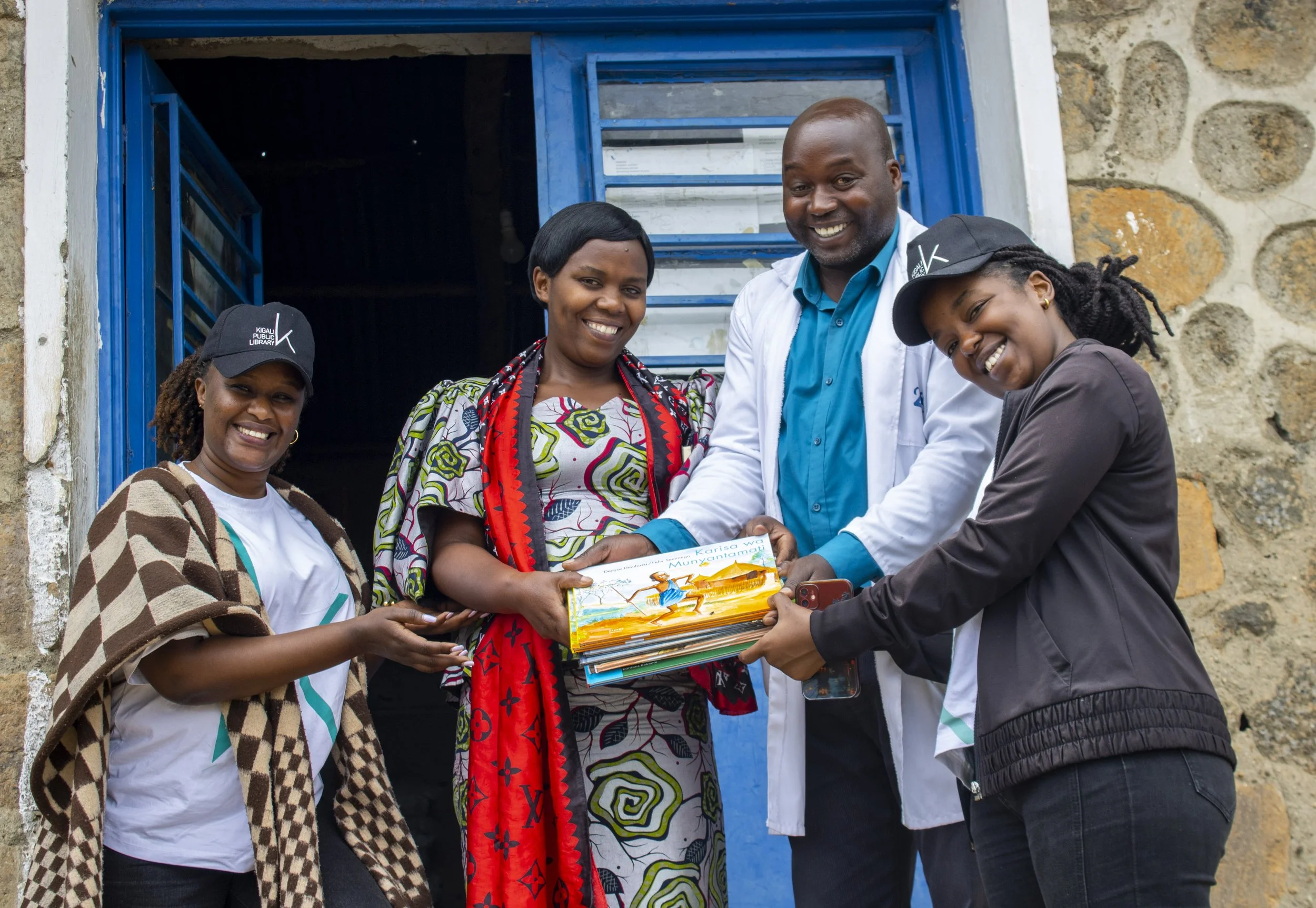
Strong foundations in early childhood create lifelong benefits. Our Early Childhood Development Centers provide safe, nurturing environments where young children can learn, play, and develop the social, emotional, and cognitive skills needed for future success.
Investing in the earliest years.
Early Childhood Development Centers
Digital Literacy and Information Systems
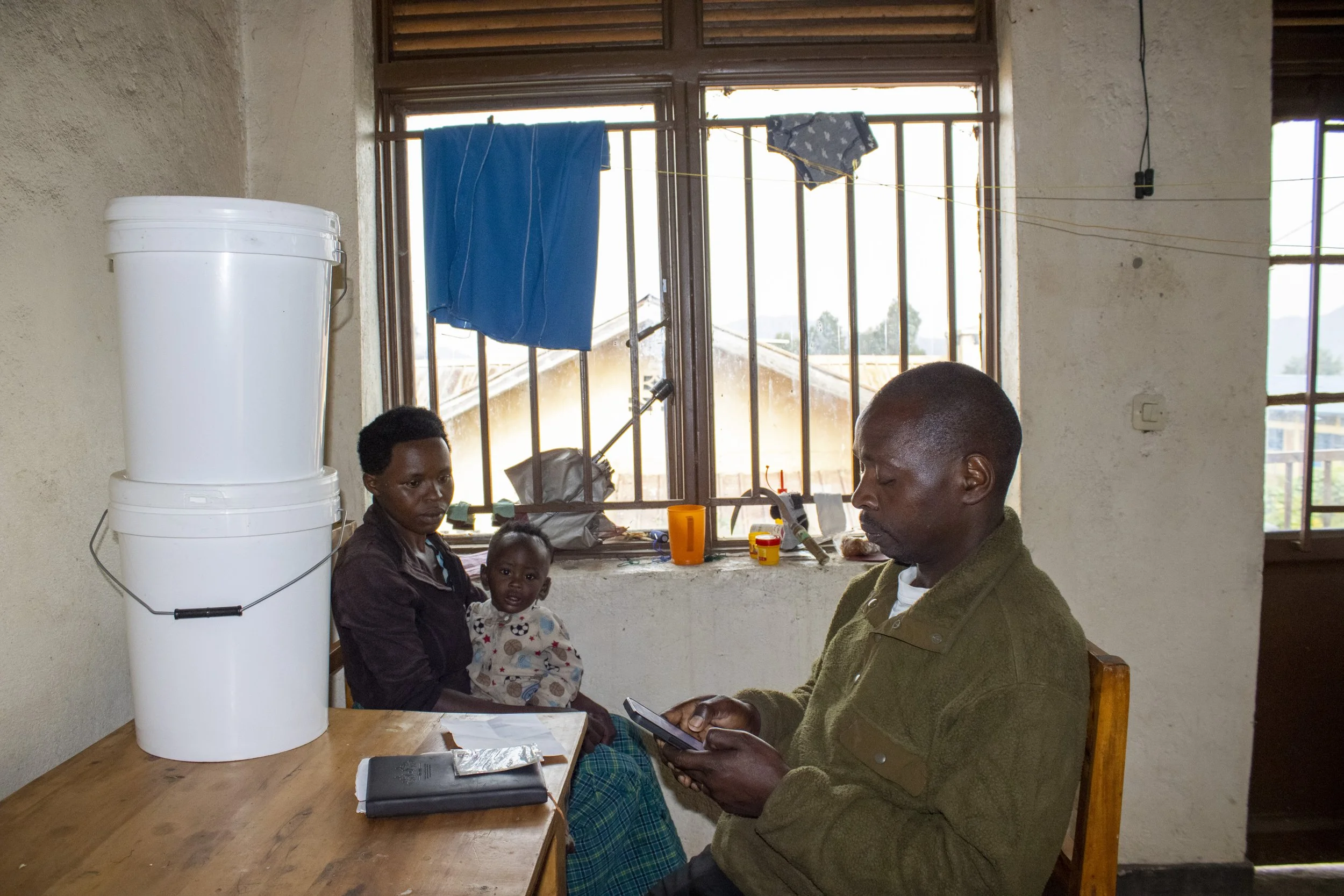
Iterambere Project: Digital Literacy
Preparing students for a connected world.
Many schools in rural areas have limited access to computers and digital learning tools, making it difficult for students and teachers to build basic technology skills.
The Iterambere Digital Literacy program works with schools such as Nyabirehe Primary School to improve access to computers and provide hands-on training in digital skills. Teachers receive practical instruction that helps them use technology in the classroom and support student learning.
The program also connects schools with partners who provide remote learning sessions and equipment to help strengthen computer labs and expand access to digital tools.
As access grows, students and teachers are gaining the skills needed to use technology in their everyday learning.
Preparing young graduates/community members for job opportunities.
Many high school graduates/community members lack the digital skills needed to access information, services, education, and economic opportunities in an increasingly connected world. Limited access to technology and digital training can create barriers to employment, communication, and personal development.
The Iterambere digital literacy program helps bridge this gap by equipping community members with practical digital skills, enabling them to confidently use technology in their daily lives and take advantage of new opportunities for learning, work, and community engagement.
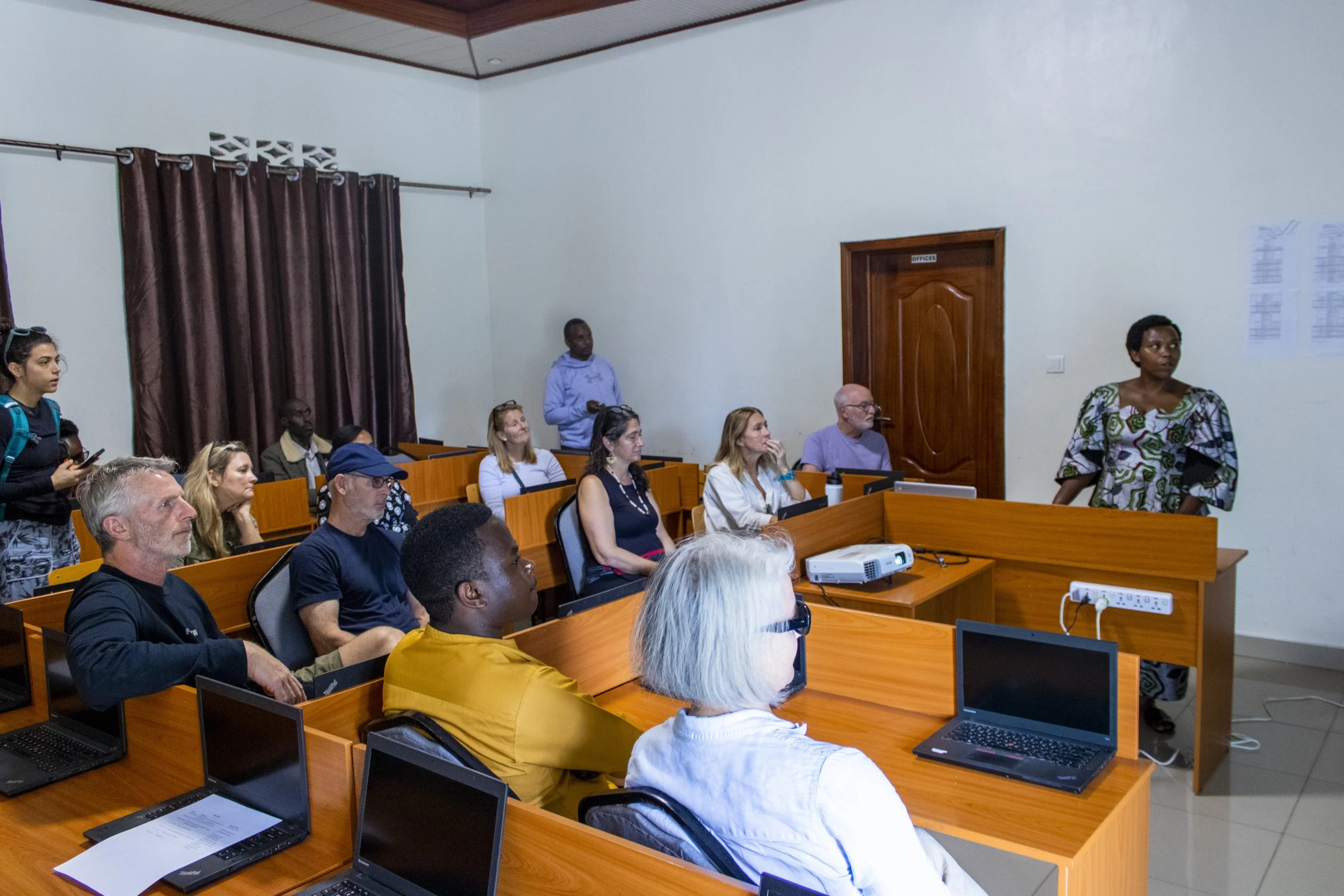
Research & Data Systems
Reliable data is essential for understanding community needs, measuring progress, and improving programs. Through our research & Data systems work, Move Up Global Ireme supports the collection, analysis, and use of data to inform decisions and strengthen impact across education, health, livelihoods, and community development initiatives.
We develop digital tools and data systems that help organizations, schools, and community programs track results, monitor performance, and generate evidence for learning and improvement. Our approach combines research, monitoring, evaluation, and data visualization to provide clear insights that support effective planning and accountability.
By turning information into actionable knowledge, we help partners and communities make informed decisions, improve service delivery, and create sustainable solutions that respond to local needs.
Transforming data into action.
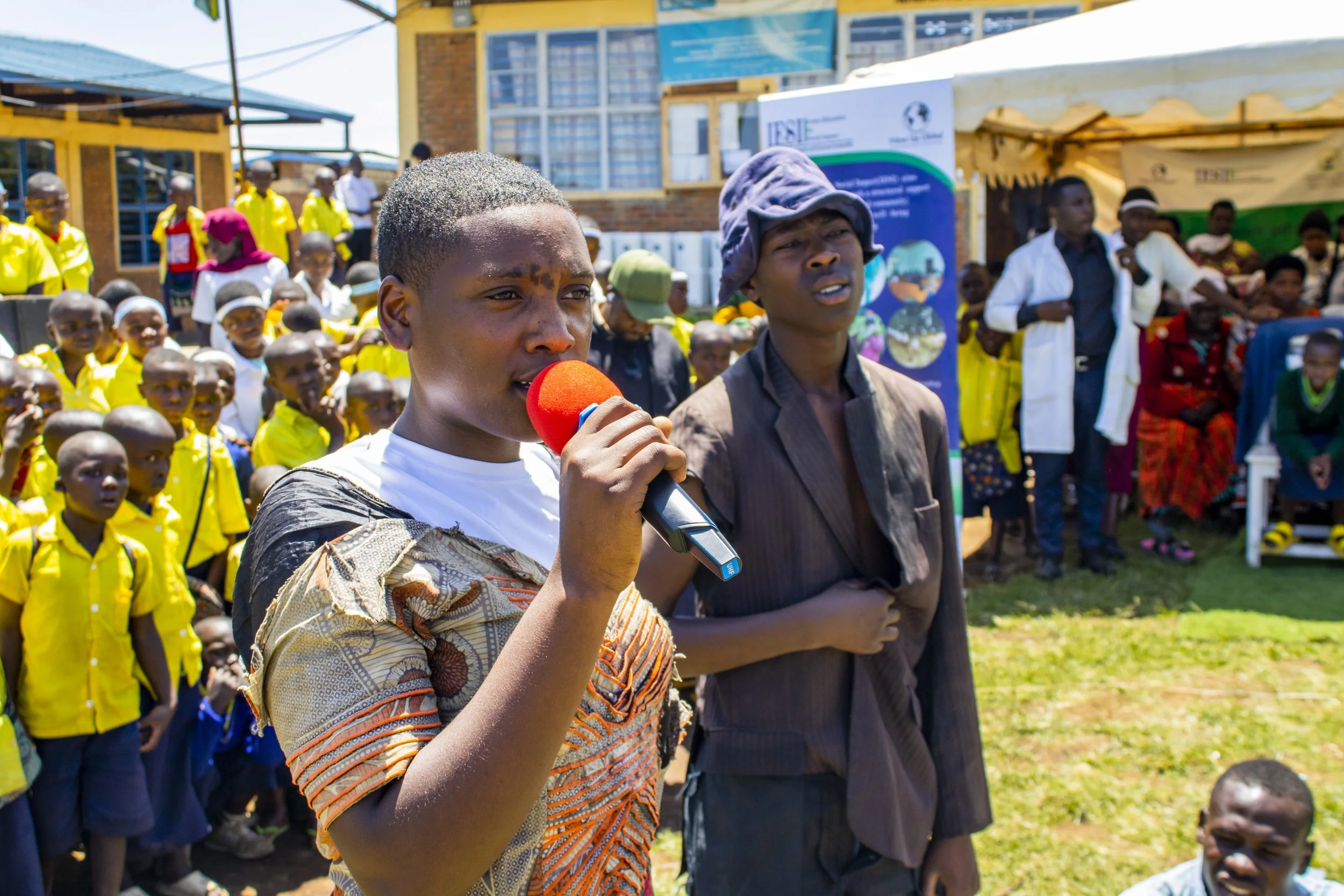
Media Bootcamp
The Media Bootcamp introduces young people to media production, communication, and digital storytelling skills that help them share their experiences, build confidence, and engage with their communities.
Empowering young voices through storytelling.
Livelihoods & Community Development
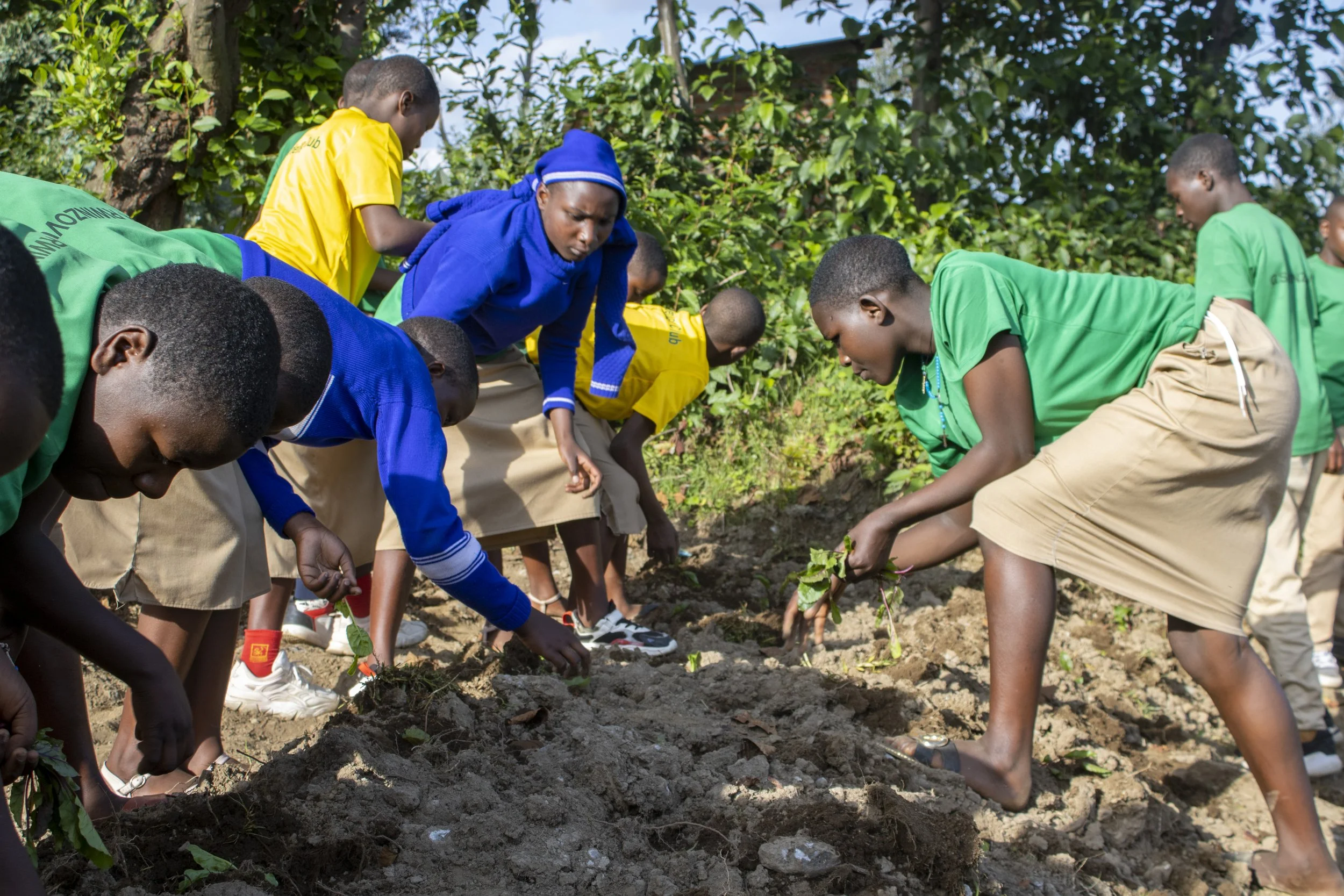
Umwete Garden Project
Growing food, knowledge, and opportunity.
Many children in rural communities do not have reliable access to nutritious food, and this affects their health and ability to learn.
The Umwete Garden Project works with schools to grow vegetables that are used in student meals. Teachers and community members help run the gardens, and students take part in planting, caring for crops, and harvesting food.
The gardens also serve as a place for learning. Children learn how food is grown, practice basic farming skills, and understand what healthy eating looks like in everyday life.
Families receive seedlings and simple training to start small gardens at home. This helps bring fresh food closer to where children live, not just where they go to school.
By growing food at school and at home, children are more likely to have regular meals and better nutrition.
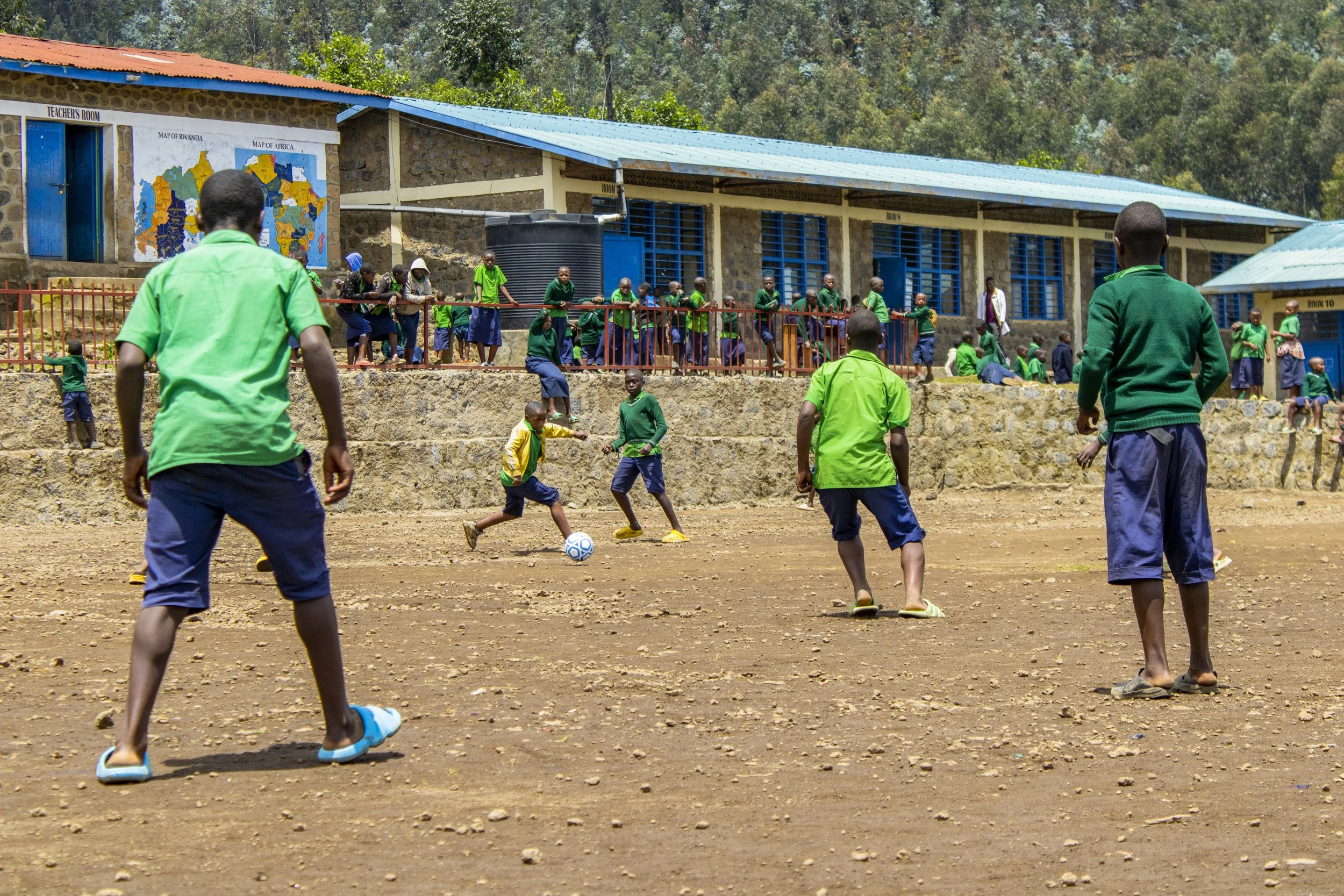
Playground & Soccer Field
In a rural community near Volcanoes National Park, children did not have a safe space for play or organized sport. The ground at Nyabirehe School was uneven and difficult to use.
With the collective effort of more than 6,000 community members, the space was transformed into a soccer field for students. Today, more than 1,100 students use the field for play, physical activity, and school sports.
The field has become part of daily school life, giving children a place to run, play, and spend time together outside the classroom.
Creating space to learn through play.
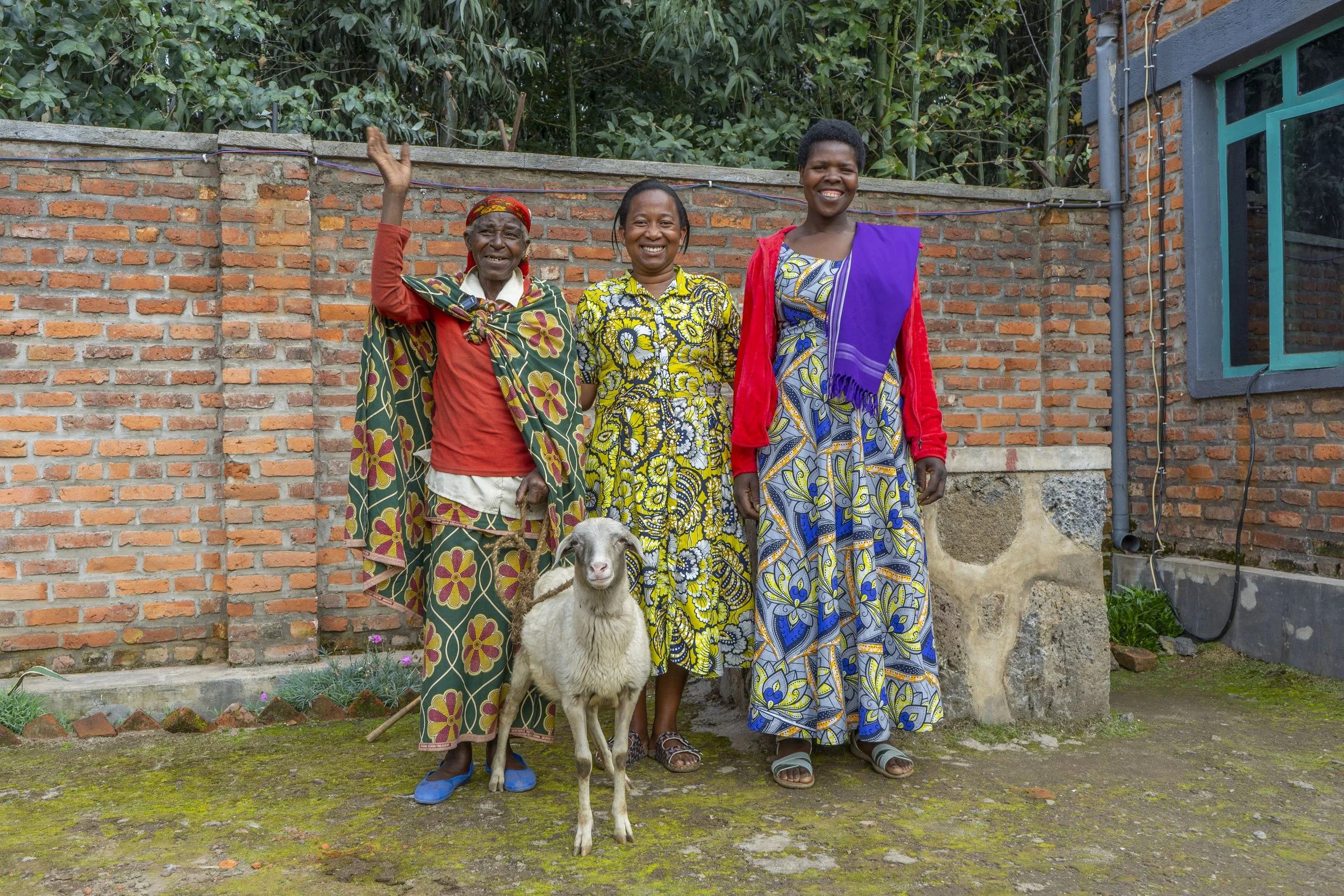
Livestock Sharing Program
The Livestock Sharing Program helps families improve nutrition and household livelihoods through community-based livestock ownership. By sharing resources and knowledge, families are better equipped to support children's health, education, and long-term well-being.
Building household resilience through shared opportunity.
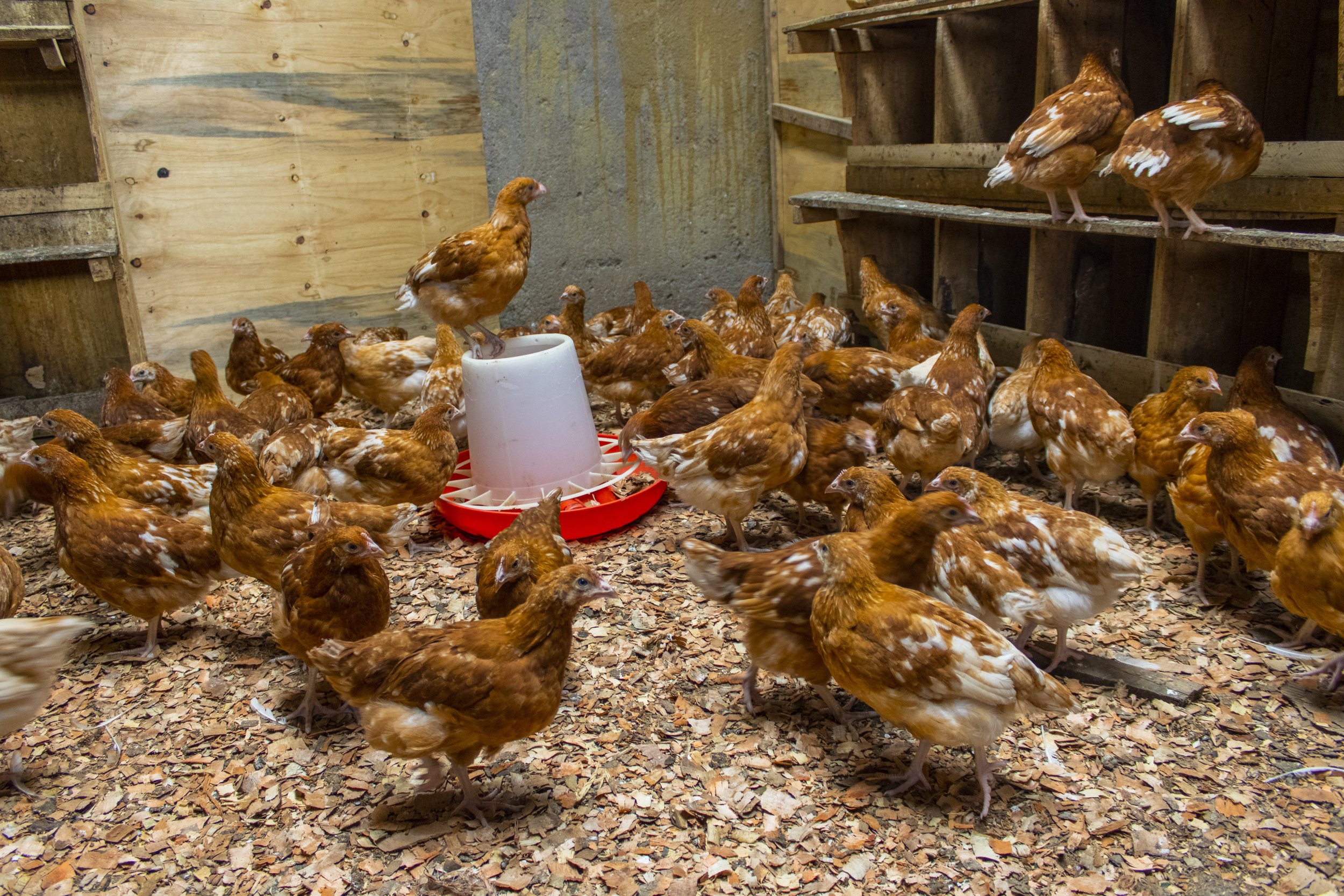
Umurava Chicken Farming Project
Through school-based poultry farming, students receive eggs that support their nutrition, growth, and learning.
At Nyabirehe Primary School, chickens are raised at the school with support from teachers and students. Younger students receive eggs as part of their meals. Older students learn how to care for chickens and raise chicks.
The school also grows vegetables that are used in school meals throughout the year. These activities help make school feeding more consistent.
In this community, many families struggle with the cost of keeping children in school. Improving school meals has been one way to help children stay in class and learn.
Turning school meals into opportunities for growth.